
How to Choose a Commercial Ice Machine: A Professional Guide from Ice Types and Usage Scenarios to Commercial Kitchen Design
An ice machine may look like a single auxiliary unit in a commercial kitchen, but in practice it affects beverage quality, food display, back-of-house workflow, hygiene management and long-term operating costs. In coffee shops, bubble tea stores, bars, hotels, hot pot restaurants, fresh supermarkets and chain restaurant projects, a poorly specified ice machine typically leads to ice shortages at peak hours, ice that does not match the drink or the glass, restricted heat dissipation, difficult cleaning, drain odours, long ice-carrying routes, and no room left for future maintenance.
Ice machine selection should therefore not stop at 'how many kilograms per day', but be judged within a complete commercial kitchen design and the store's operating routine. Kitlalong Commercial Kitchen Design specialises in commercial kitchen design services, and we usually begin with four questions: What ice does the client need? How much ice is needed per day and at peak? Where is the most sensible place to install the machine? Will cleaning, servicing and ice replenishment be convenient afterwards?
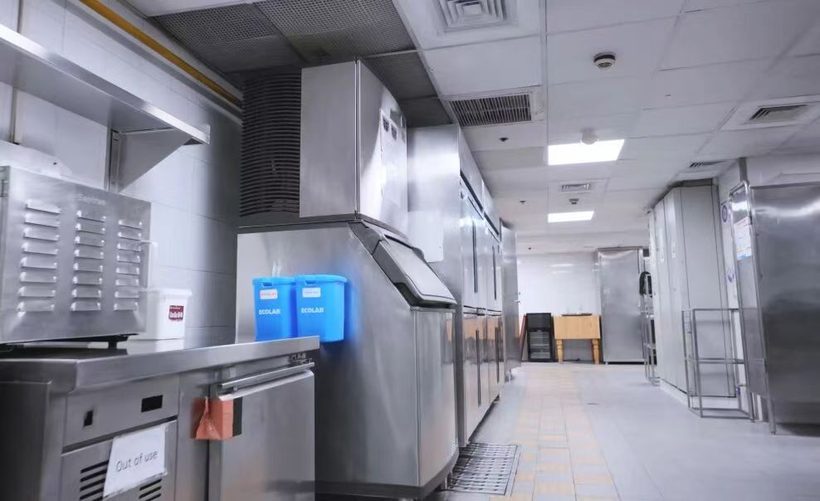
For clients preparing a new kitchen or renovating a food service space, Kitlalong Commercial Kitchen Design can start from the early stage of business format analysis, kitchen layout and equipment selection, coordinating the bar, back of house, water supply and drainage, electrical, ventilation, refrigeration and ice systems, so that the ice machine forms part of the complete commercial kitchen design scheme before installation, rather than being squeezed into whatever space is left at the end of construction.
Drawing on publicly available industry material on ice types, application scenarios, ice production, ice storage, energy consumption, hygiene and maintenance, this article sets out a selection method for ice machines that suits food service engineering and commercial kitchen projects.
1. Why ice machine selection cannot rely on daily output alone
The 'daily ice output' quoted in a specification sheet is usually a theoretical or standard figure obtained under specific test conditions. Actual output is affected by ambient temperature, inlet water temperature, condenser type, power supply conditions, equipment cleanliness and frequency of use. Ice machine selection should therefore consider all of the following:
- Rated ice production: capacity under the specified test conditions;
- Peak-hour ice supply: whether the store can keep supplying ice at its busiest;
- Ice storage capacity: whether short bursts of heavy ice use can be buffered;
- Ice type and size: whether it suits the glass, the drink, the food or the display use;
- Unit dimensions: whether it fits the bar, back of house or equipment room;
- Cooling method: whether air-cooled or water-cooled suits the site's ventilation, temperature and water conditions;
- Energy and water consumption: whether long-term running costs are acceptable;
- Cleaning and maintenance design: whether it can be built into daily, weekly and monthly cleaning routines.
Put simply, ice production determines how much ice can be made in a day, while storage capacity determines whether ready ice is available at peak times. Look at daily output alone and ignore storage and peak demand, and the machine can still run short in the middle of service.
2. Start with the ice type: different ice suits different uses
Ice is not an accessory to a drink. Its size, hardness, clarity, water content and melting speed affect the temperature, dilution, mouthfeel and visual presentation of a beverage; on fresh food counters and in professional kitchens, ice also covers, supports, cools and preserves.
1. Half-dice ice: for bubble tea, coffee and quick-service drinks
Half-dice ice is relatively small, slips easily into small or narrow-mouthed cups, chills drinks quickly and mixes well with liquids and toppings. For bubble tea shops, coffee shops, convenience stores and quick-service outlets, half-dice ice is the common choice that balances versatility with cooling speed.
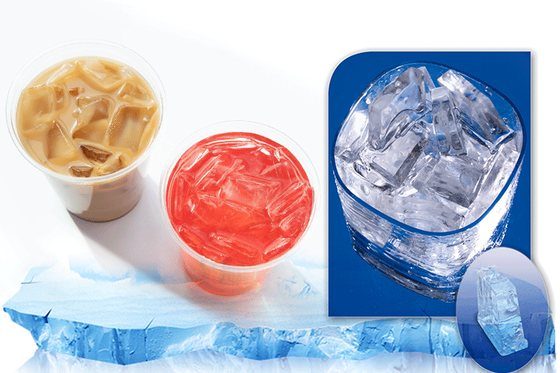
Suitable scenarios:
- Bubble tea and fruit drinks;
- Iced coffee and iced latte;
- Quick-service restaurant drinks;
- Chilled drinks in convenience stores;
- Stores with strict requirements on glass fit and serving speed.
In commercial kitchen design, a half-dice machine can be placed near the beverage preparation area, but the door swing, ice scooping, water top-up and cleaning must not interfere with the ice station, hand basin or drink-serving workflow.
2. Cube ice: the versatile standard
Cube ice is regular in shape, easy to store and handle, and suits soft drinks, cocktails, coffee, bubble tea, hotel service and many other food service scenarios. For commercial projects without a clearly defined special ice requirement, cube ice is normally the baseline option to evaluate.
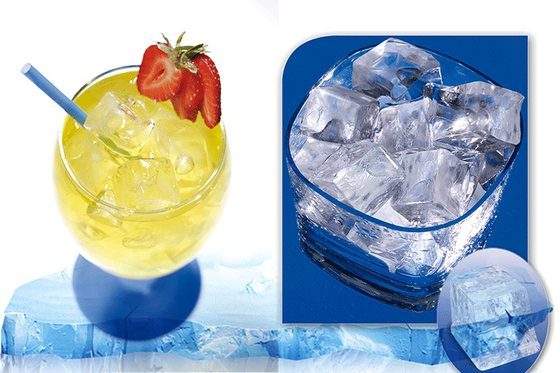
When selecting for cube ice, focus on:
- Whether the glass size matches the ice size;
- Whether a longer melting time is required;
- Beverage output during peak hours;
- Whether an ice bin or ice dispenser is needed alongside;
- Whether the unit can meet the standardisation requirements of chain stores.
3. Large cube ice: for whisky, cocktails and premium drinks
Large cube ice has a bigger single piece and melts more slowly, which suits whisky, classic cocktails, premium hotel bars and fine dining restaurants. For drinks meant to be sipped slowly, large cubes reduce dilution over time and improve presentation through a complete, clear block of ice.
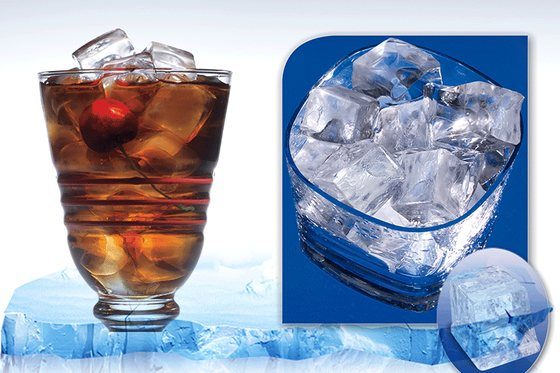
In bar design, a large-cube machine should generally sit close to the cocktail station or the back bar, with separate space for ice storage, scooping, washing and glassware turnover. Allow for the width of the unit plus the operator's standing position and the door swing, not the unit width alone.
4. Octagon ice: when ice becomes part of the drink design
Octagon ice and diamond ice have pronounced facets and strong visual identity, which suits specialty coffee, cocktails, craft bars and premium clubs. They do more than chill the drink: they become part of its presentation.
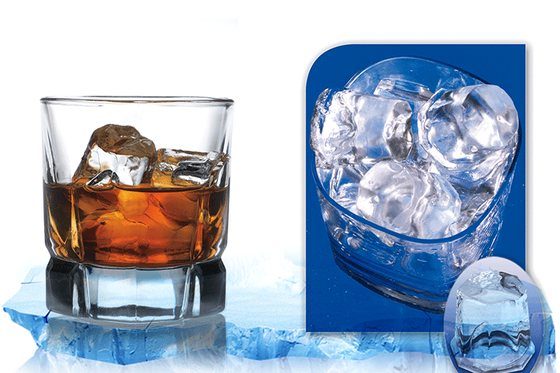
In commercial kitchen design, these machines are best placed at the bar counter or in an open beverage preparation area, and away from high-temperature cooking equipment, steamer exhausts, dishwasher vents and strong grease-laden air, all of which affect heat dissipation, hygiene and ice quality.
5. Nugget ice: soft, chewable and fast-chilling
Nugget ice is softer, easy to chew and melts relatively quickly, which suits scenarios requiring fast chilling, direct consumption or easy dispensing. In some hotels, theme parks, leisure venues and public service outlets, nugget ice offers a mouthfeel quite different from conventional cube ice.
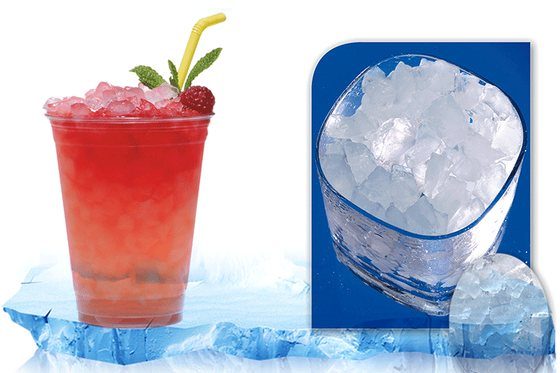
Where a project involves children's drinks, soft-ice service or fast ice dispensing, the design team should check daily output, storage capacity, dispensing method and peak dispensing speed together.
6. Flake ice: for fresh food display, hot pot and food preservation
Flake ice has fine particles and a soft texture, spreads and shapes easily, and is better suited to large-area coverage. It fills the gaps between products and is used to display, chill and preserve seafood, meat, fruit and other fresh foods.
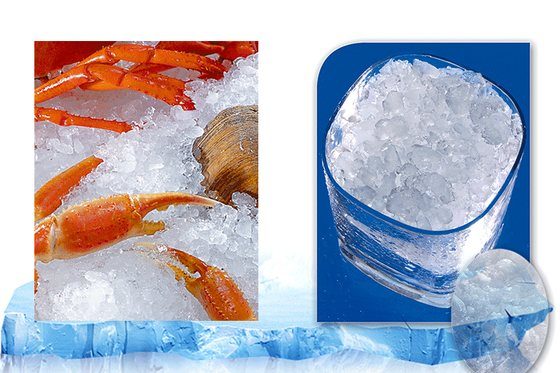
For fresh supermarkets, seafood counters, hot pot buffets and large catering projects, flake ice requires particular attention to:
- Display area and ice bed thickness;
- Continuous ice production capacity;
- Ice storage and replenishment method;
- Meltwater drainage and anti-slip flooring;
- Hygiene management where ice contacts food;
- Working space for maintenance and cleaning staff.
A flake ice machine should not be bought as a stand-alone unit; it belongs in the commercial kitchen design together with refrigerated display cases, drainage channels, floor drains, work tables and the service workflow.
3. Choosing an ice machine by industry scenario
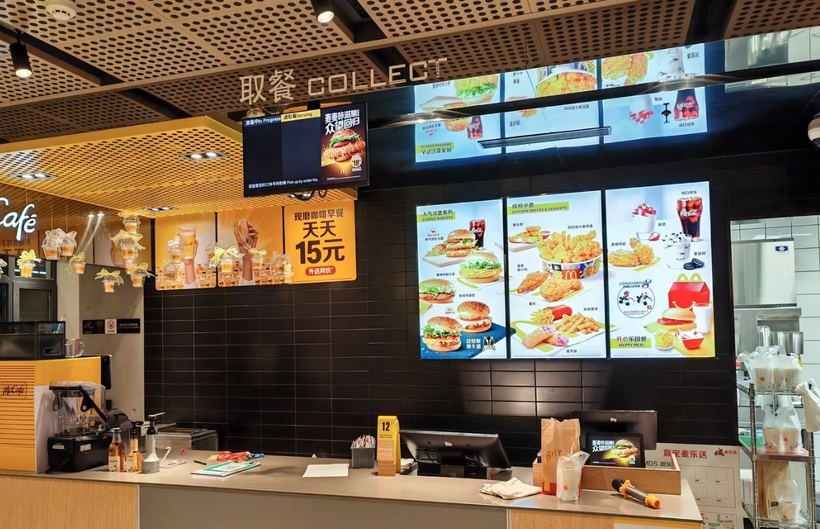
1. Quick-service restaurants: stable, fast and easy to maintain
Quick-service outlets run at a fast pace, with drink orders concentrated at lunch, dinner and promotion peaks. The machine must deliver a stable ice supply, a compact footprint and quick cleaning.
Cube or half-dice ice is usually the starting point; check in particular:
- Peak beverage sales volume;
- Average ice per cup;
- Distance between the machine and the beverage area;
- Ice bin capacity;
- Heat dissipation and noise;
- Front access for service and cleaning.
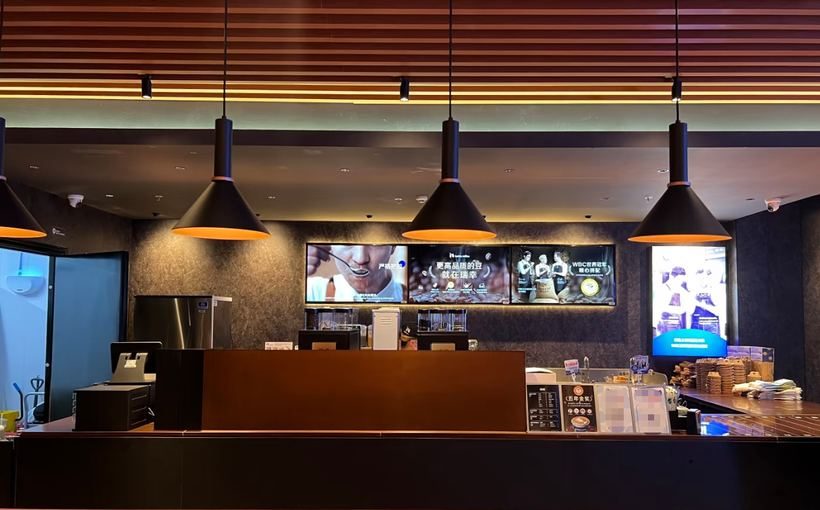
2. Coffee shops: ice has to serve the flavour
Cold brew, iced latte, Americano and specialty coffee place different demands on ice. Ice that melts too quickly can change the strength and aroma of a drink; premium stores also care about clarity, completeness and visual effect.
If the store mainly serves standardised drinks, evaluate cube or half-dice ice first; if specialty coffee and signature drinks dominate, compare large cube and diamond ice for appearance and slow melting.
In coffee shop commercial kitchen design, the ice machine should be planned together with ice storage, water filtration, the espresso machine, the ice station, the glass-washing sink and the serving workflow, cutting staff walking and raising bar efficiency.
3. Bubble tea shops: cooling efficiency and peak serving speed
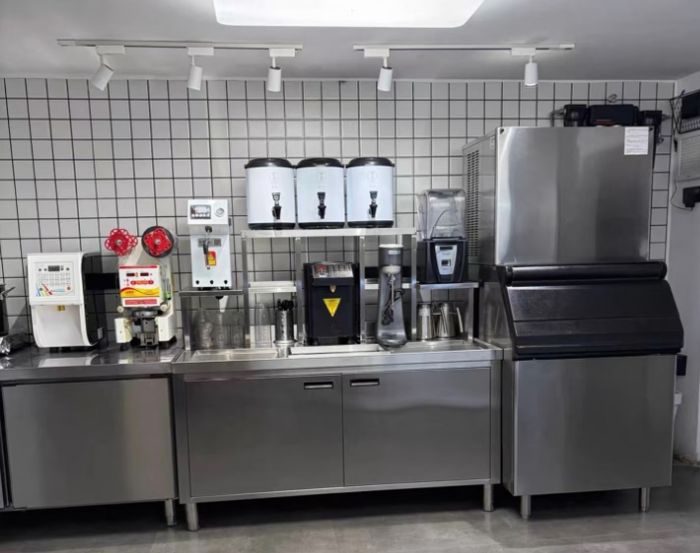
Bubble tea shops need rapid chilling without noticeably altering sweetness, tea aroma or topping texture. Half-dice and cube ice are generally the most versatile, but the final choice depends on cup size, recipe, average daily sales and peak order volume.
For bubble tea shops, check in particular:
- Order volume at morning and evening peaks;
- Standard ice per cup;
- Whether the ice tends to clump;
- Convenience of the ice outlet and storage area;
- Distance between the machine, the sealing machine and the work table;
- Whether cleaning will interrupt normal trading.
4. Bars and premium clubs: ice type, clarity and slow melting
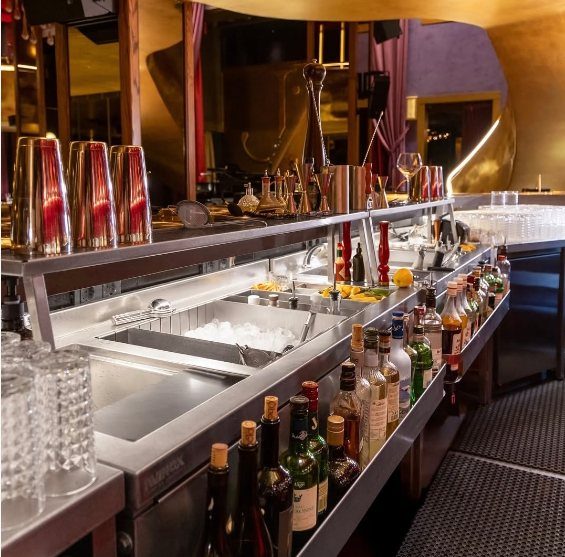
For a bar, the ice machine is rarely about maximum output; it is about matching the ice type to each drink. Whisky suits slow-melting large cubes, cocktails can use large cube or diamond ice, and long drinks can use standard cube ice.
For premium bars, the following should be settled at the commercial kitchen design stage:
- Equipment positions at the cocktail station and the back bar;
- Segregated ice storage;
- Separation of ice from cooked food and glassware for hygiene;
- Storage of ice scoops and cleaning tools;
- Heat dissipation, drainage and service access;
- Low-noise operation at night.
5. Branded hotels: zone-by-zone configuration
Ice use in a hotel typically spans the ballroom, the commercial kitchen, the lobby bar, the executive lounge, room service and the restaurants. Each area has different requirements for ice type, capacity, storage and dispensing method.
- Ballroom and commercial kitchen: large capacity, storage volume and continuous supply;
- Lobby bar and executive lounge: large cube and diamond ice, clarity and slow melting;
- Room service: stable, easy-to-dispense standard cube ice;
- Restaurants and buffet areas: a mix of units according to drinks, food display and cooling needs.
A hotel kitchen project cannot cover every area with a single ice machine; doing so tends to produce long ice-carrying distances, mismatched ice types and uneven supply at peak times.
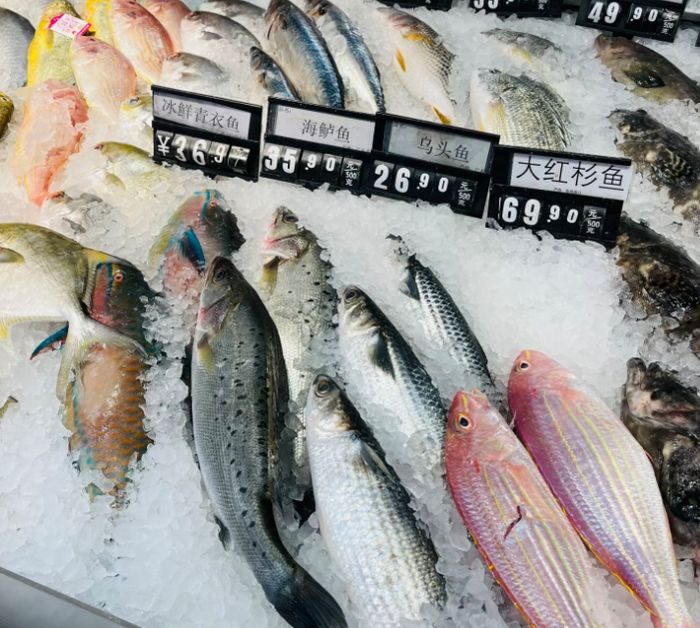
6. Fresh supermarkets: ice type, hygiene and drainage matter equally
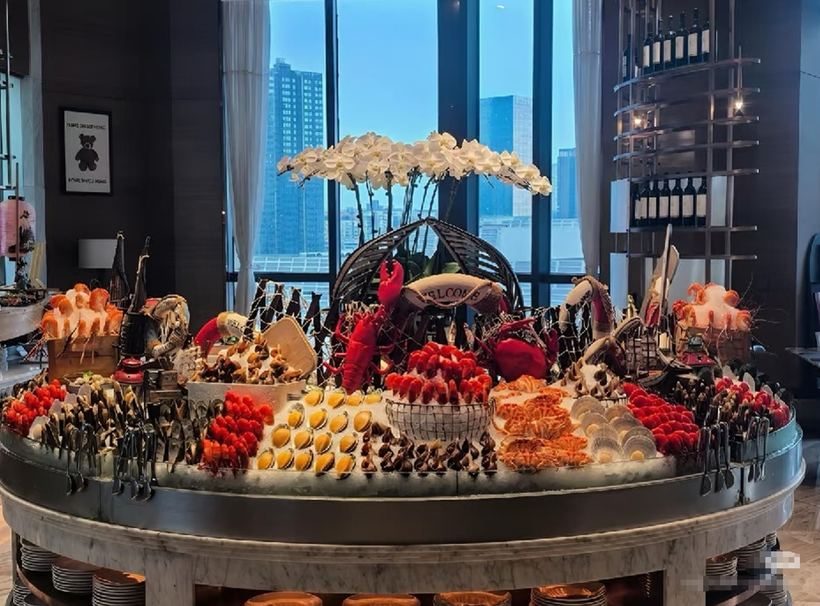
Fresh supermarkets use ice to display seafood, meat and fruit. Selection cannot rest on ice-making capacity alone; the covering effect, meltwater drainage, counter cleaning and food-contact safety all have to be considered.
Flake ice suits large-area covering and gap filling, while cube ice or harder ice types suit applications that need support and longer holding. Display counters, drainage channels, floor drains, anti-slip flooring and the ice replenishment route should all be fixed at the design stage of the commercial kitchen or the store's back-of-house.
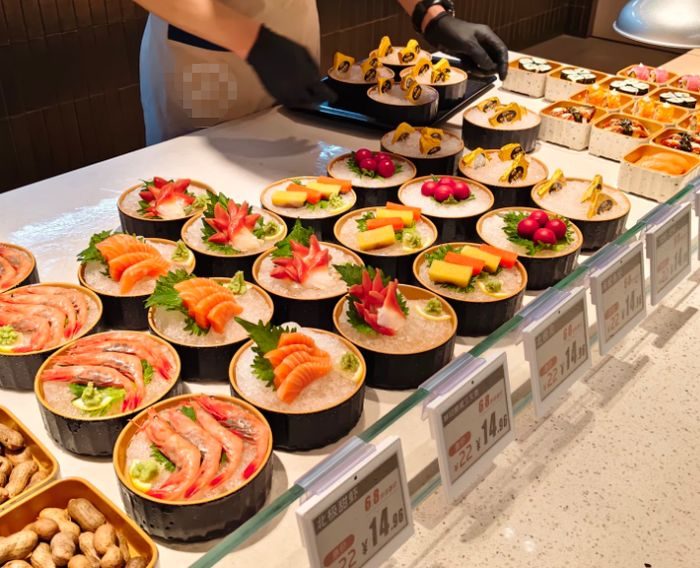
7. Hot pot, buffet and large catering: calculate peak ice demand
Hot pot restaurants and buffet operations have complex ice duties: ice may be used at the same time for seafood, meat and fruit display, drinks, chilled beverages and back-of-house cooling. Selection should focus on:
- Total ice use at peak;
- The proportion of ice used for each purpose;
- Daily output and storage capacity of the equipment;
- Replenishment frequency and staff routes;
- Ice hardness and supporting ability;
- The effect of meltwater on floor and counter cleaning.
Large projects can configure cube, large cube and flake ice machines by zone, rather than making one unit carry every task.
4. Choosing the equipment format
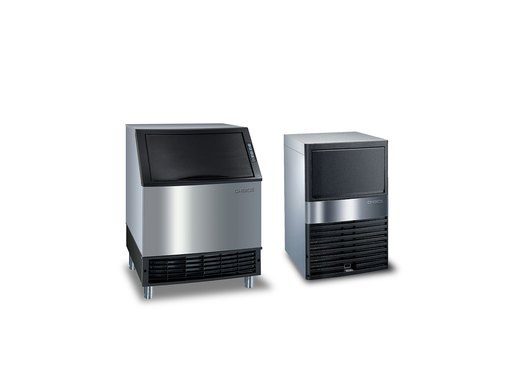
1. Countertop (under-counter) ice machines
Countertop units suit restaurants, coffee shops, bars, bakeries and convenience stores with limited space. Their advantage is flexible placement close to the work area, but sufficient provision must be made for counter height, heat dissipation, service access, door swing and drainage.
Points to check at the design stage:
- Counter load-bearing capacity;
- Heat dissipation at the top and both sides of the unit;
- Front and rear service clearance;
- Door opening angle;
- Positions of water inlet, drain and power supply;
- Height alignment with other bar equipment.
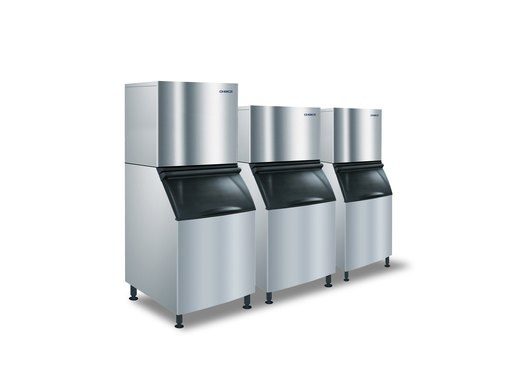
2. Modular ice machines
Modular units are normally paired with a separate ice bin, and suit hotels, chain restaurant groups, large restaurants, banquets and engineering projects. The design has to cover the ice bin dimensions, connection method, maintenance access and ice replenishment route, not just the head unit.
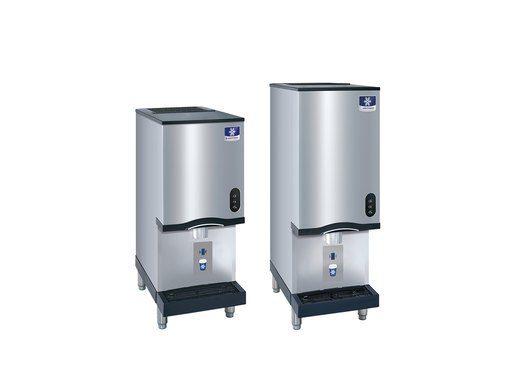
3. Top-mounted or compact ice machines
Top-mounted units suit small beverage areas, light catering, theme parks, convenience stores and projects with tight space. Capacity is limited, so a small unit should never be asked to cover the peak ice demand of a large outlet.
4. Flake ice machines
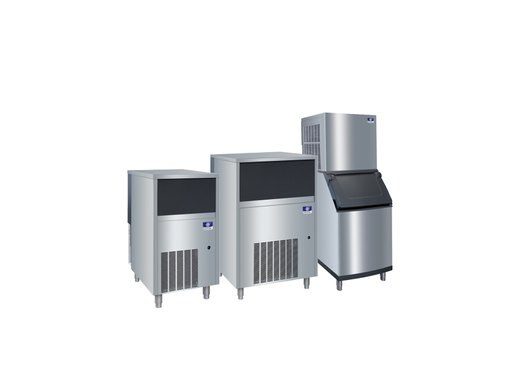
A flake ice machine should be designed together with fresh food display, hot pot self-service, seafood areas and the food display system. Beyond the machine itself, plan the storage, shovelling, conveying, drainage and cleaning areas at the same time.
5. Air-cooled or water-cooled?
Neither air cooling nor water cooling is inherently better; what matters is matching the site conditions.
Air-cooled ice machines
Air-cooled units reject heat to the air, which is gentler on water consumption, but they need good ventilation and heat dissipation conditions. In hot summers, stuffy back-of-house areas, cramped equipment rooms or where several units are grouped together, pay particular attention to how rejected heat affects ice-making efficiency.
Water-cooled ice machines
Water-cooled units are relatively insensitive to ambient temperature and ventilation conditions, which suits hot, humid or poorly ventilated locations, but they require a stable water supply and drainage, and the water volume, drainage capacity and long-term running costs must all be calculated.
In commercial kitchen design, the cooling method should be decided according to the following factors:
- Kitchen ambient temperature;
- Ventilation capacity of the equipment room;
- Whether central exhaust or air conditioning is available;
- Water supply and drainage conditions;
- Water cost;
- Number of units and heat concentration;
- Local environmental, water-saving and project compliance requirements.
6. Installation provisions that commercial kitchen design must reserve
An ice machine is not a unit that can simply be dropped into any empty corner. At the design stage, at least the following should be checked:
1. Unit dimensions and operating space
Beyond the physical size of the machine, space must be reserved for the door swing, ice scooping, water top-up, cleaning and servicing. The unit must not sit tight against a wall, cooking equipment or other heat sources, which would compromise heat dissipation and maintenance.
2. Water inlet system
The water inlet should be as close to the unit as possible, with valves that are easy to shut off and service. Where ice quality requirements are high, evaluate water filtration or treatment in line with local water quality and the equipment specification.
3. Drainage system
The ice machine, ice bin and meltwater must have a reliable drainage path. Insufficient fall, poorly located floor drains or undersized drain pipes can all lead to standing water, odours and hygiene problems.
4. Power supply and earthing
The power specification should follow the equipment technical data, with a dedicated circuit, protective devices and reliable earthing that meet the project requirements. Sharing an unsuitable circuit with high-power heating equipment increases the risk of operating faults.
5. Heat dissipation and ventilation
Air-cooled units especially require attention to the direction of incoming air, exhaust air and heat rejection. Where several refrigeration units are grouped together, the back-of-house heat load must be calculated, and mechanical ventilation or equipment room improvements applied where necessary.
6. Hygiene zoning and cleaning workflow
An ice machine is equipment that comes into direct contact with food, so it should be kept away from waste holding, raw material preparation, heavy grease-laden air and chemical cleaning stores. Cleaning tools, ice scoops and the ice storage area should be sensibly separated to avoid cross-contamination.
7. Service and replacement provisions
Once installed, maintenance staff still need access. The design must leave room to service filters, panels, the compressor and water circuit components; equipment must not be boxed in between cabinetry or walls in the interest of compactness.
7. How to calculate ice production and storage capacity
Ice production should be calculated from the store's actual ice use rather than by picking a model number straight away.
Step 1: List the main ice use points
List every ice use scenario:
- Beverage production;
- Spirits and cocktails;
- Coffee and bubble tea;
- Food display;
- Fresh food preservation;
- Chilled beverages;
- Back-of-house cooling;
- Takeaway or packaged ice sales.
Step 2: Calculate average daily ice use
The following basic approach can be used:
Step 3: Calculate peak periods separately
Average daily ice use cannot substitute for peak demand. Further counts are needed for lunch, dinner, afternoon tea, evening bar trade and weekend periods.
Step 4: Set a sensible storage buffer
A larger ice bin is not automatically better. Excessive storage takes up kitchen floor area; too little cannot cover peak demand. The right size follows from replenishment frequency, staff routes, the machine's production cycle and the store's opening hours.
Step 5: Adjust equipment capacity for site conditions
Rated data must be adjusted for the actual environment. Pay particular attention to:
- Maximum ambient temperature in summer;
- Inlet water temperature;
- Air-cooled or water-cooled design;
- Water quality and filtration;
- Cleaning and maintenance frequency;
- Voltage stability;
- Whether the machine runs continuously.
8. Cleaning, hygiene and maintenance: the most neglected part of many projects
An ice machine is in constant contact with water and food, so cleaning and maintenance directly affect ice hygiene and equipment life. Requirements should be written into the commercial kitchen design and the store operating manual, rather than dealt with only after odours, scale or falling output appear.
Recommended daily management
- Keep ice scoops dry, clean and dedicated to ice;
- Never handle ice with bare hands;
- Clean the food-contact components of the ice area regularly;
- Clean the water circuit and storage area as instructed;
- Check that drainage runs freely;
- Clean the air inlet and filter components of air-cooled units;
- Record cleaning, sanitising and maintenance dates;
- Stop and inspect the machine if ice smells, discolours, clumps or output drops.
For chain stores, the cleaning process should also be standardised, with weekly, monthly and quarterly maintenance points defined, and the responsibilities of store staff, area supervisors and service personnel clearly divided.
9. Common selection mistakes
Mistake 1: assuming bigger daily output is always better
An oversized unit wastes space, raises energy use and increases capital cost; an undersized one runs out of ice at peak. The correct approach is to size the system around daily ice use, peak demand, storage and expansion plans.
Mistake 2: choosing on price alone
A cheap unit that is hard to clean, awkward to service, inconsistent in output or poorly supported will often cost more over its life. Compare purchase price together with energy, water, maintenance, downtime and replacement costs.
Mistake 3: ignoring the relationship between ice type and product
Coffee shops, bars, bubble tea stores and fresh supermarkets use ice differently. The wrong ice affects drink quality, food display and store image.
Mistake 4: considering drainage and servicing only after installation
Poor drainage, insufficient heat dissipation and units that cannot be pulled out for repair are among the commonest causes of rework in commercial kitchen projects. Ice machine positions should be fixed at the floor plan, MEP and drainage drawing stage.
Mistake 5: ignoring on-site water quality
Water quality affects ice appearance, the water circuit and evaporation components. In areas with hard water or high impurity levels, filtration, softening and periodic maintenance should be evaluated at the scheme stage.
Mistake 6: grouping units without calculating the heat load
Several air-cooled ice machines, refrigerated cabinets, fridges and dishwashers installed together raise back-of-house temperature and load the air conditioning and exhaust systems. Commercial kitchen design must coordinate equipment heat rejection and staff comfort.
10. Why the ice machine should be settled at the commercial kitchen design stage
Many food service projects only consider the ice machine late in the fit-out, and end up pushing the unit into whatever space remains, which brings heat dissipation, drainage, ice-carrying and maintenance problems. For new kitchens or kitchen renovations, the ice machine should be fixed at the layout and MEP design stage, because it directly affects bar length, back-of-house workflow, water and drainage points, electrical circuits, ventilation and service clearance.
The professional commercial kitchen design service from Kitlalong Commercial Kitchen Design is not simply about placing kitchen equipment; it is overall planning based on the store's business format, production flow and operating requirements. For coffee shops, bubble tea stores, bars, hotels, hot pot restaurants, fresh supermarkets and chain restaurant projects, we consider the ice machine together with refrigeration equipment, water filtration, the washing area, work tables, the ice storage area and the ice-carrying route.
Deciding the ice machine at the design stage normally resolves the following in advance:
- Whether the unit will actually fit the intended space;
- Whether air intake, exhaust and heat dissipation will be unobstructed;
- Whether the water inlet, drain and power points are correctly placed;
- Whether staff carry ice across or against the main workflow;
- Whether ice storage and food hygiene zones are clearly separated;
- Whether later cleaning, servicing and replacement will be practical;
- Whether capacity can be added if the store expands.
Design support available from Kitlalong Commercial Kitchen Design
- Early-stage requirement analysis and kitchen function planning for food service outlets;
- Commercial kitchen layout, equipment arrangement and workflow optimisation;
- Selection advice for ice machines, ice bins and beverage area equipment;
- Coordinated design of water supply and drainage, electrical, ventilation and heat dissipation;
- Scenario-based design for coffee shops, bubble tea stores, bars, hotels, hot pot restaurants and fresh food projects;
- Support for new kitchens, kitchen renovation and standardised replication across chain stores;
- Equipment schedules, installation conditions and construction briefing recommendations.
A complete ice machine selection project is best advanced through the following process:
1. Understand the business format and operating model
Confirm the store type, trading hours, seat count, takeaway ratio, beverage mix, peak traffic and future expansion plans.
2. Inventory the ice use scenarios
Distinguish ice for drinks, for the bar, for fresh food display, for hot pot tables and for back-of-house processes, so that all requirements are not lumped into a single estimate.
3. Determine the ice type and quality requirements
Choose half-dice, cube, large cube, diamond, nugget or flake ice according to glass size, beverage flavour, food display, brand positioning and operating habits.
4. Calculate daily use, peak use and storage capacity
Do not substitute the machine's maximum output for an on-site calculation. Allow a sensible safety margin for peaks, summer, weekends and event days.
5. Select the equipment format and cooling method
Based on kitchen area, bar structure, ventilation, water supply and drainage and the maintenance route, decide between countertop, modular, top-mounted or dedicated flake ice equipment, and between air cooling and water cooling.
6. Complete the MEP point design
Show unit dimensions, power, water inlet, drain, heat dissipation and service space on the floor plan and MEP drawings, to avoid on-site alteration later.
7. Verify hygiene, cleaning and after-sales conditions
Confirm that the unit can be easily dismantled and cleaned, that it supports the store's cleaning regime, and that after-sales service and spare parts cover the project location.
8. Produce the equipment schedule and handover notes
The final deliverable should not be a model number alone, but should include quantity, ice type, ice production, storage capacity, installation conditions, cleaning requirements and operating notes.
Conclusion: a good ice solution is part of the commercial kitchen system
Ice machine selection is not really about buying a single unit; it is about building a stable, hygienic and efficient ice system for the store. The ice type determines how the ice is used, production determines supply capability, storage determines the peak buffer, the equipment format determines spatial fit, air or water cooling determines site operating conditions, and cleaning, drainage and service design determine whether the machine runs reliably over the long term.
For restaurants, hotels, fresh food outlets, bars and chain store projects, the ice machine should be planned together with refrigeration, water filtration, water supply and drainage, electrical, ventilation, work tables, the bar and food hygiene zoning. The professional value Kitlalong Commercial Kitchen Design actually provides is not simply recommending an ice machine, but helping clients complete a full commercial kitchen design scheme from equipment selection through to site delivery, based on business format, workflow, capacity, space and operating standards.
If you are planning a coffee shop, bubble tea store, bar, hotel, hot pot restaurant, fresh supermarket or chain restaurant, contact Kitlalong Commercial Kitchen Design before the fit-out and equipment purchase. We can start from the kitchen layout, equipment schedule and ice system, and help bring ice demand, operating efficiency, hygiene requirements and long-term maintenance into one design logic.
If you are building or renovating a commercial kitchen, confirm the following information before fixing the ice machine model:
- What are the store's main ice use scenarios?
- Which ice types are needed?
- What is the daily and peak ice demand?
- Is a separate ice bin required?
- Will the unit be installed at the bar, in the back of house or in an equipment room?
- Do the on-site water inlet, drainage, power and heat dissipation conditions meet requirements?
- Have cleaning, service and replacement routes been reserved?
- Is there any possibility of new stores, higher output or a change of business format?
Only when these questions are built into the commercial kitchen design can an ice machine become a professional system that supports store operations, rather than a single piece of equipment.
About Kitlalong Commercial Kitchen Design
Kitlalong Commercial Kitchen Design provides professional commercial kitchen design services for coffee shops, bubble tea stores, bars, hotels, hot pot restaurants, fresh supermarkets, quick-service outlets and chain restaurant projects. We cover kitchen layout planning, equipment selection, workflow optimisation, coordination of water, drainage and electrical points, verification of ventilation and heat dissipation conditions, and design support for new kitchens and kitchen renovations.
When you are preparing a new food service kitchen, upgrading the back of house or planning a chain of stores, complete a professional commercial kitchen design before construction starts. Planning key equipment such as the ice machine in advance reduces later rework, improves staff efficiency, and brings kitchen equipment, MEP conditions and food hygiene requirements into a complete, coordinated whole.