
How to Choose an Automatic Stir-Fry Machine for Canteens?
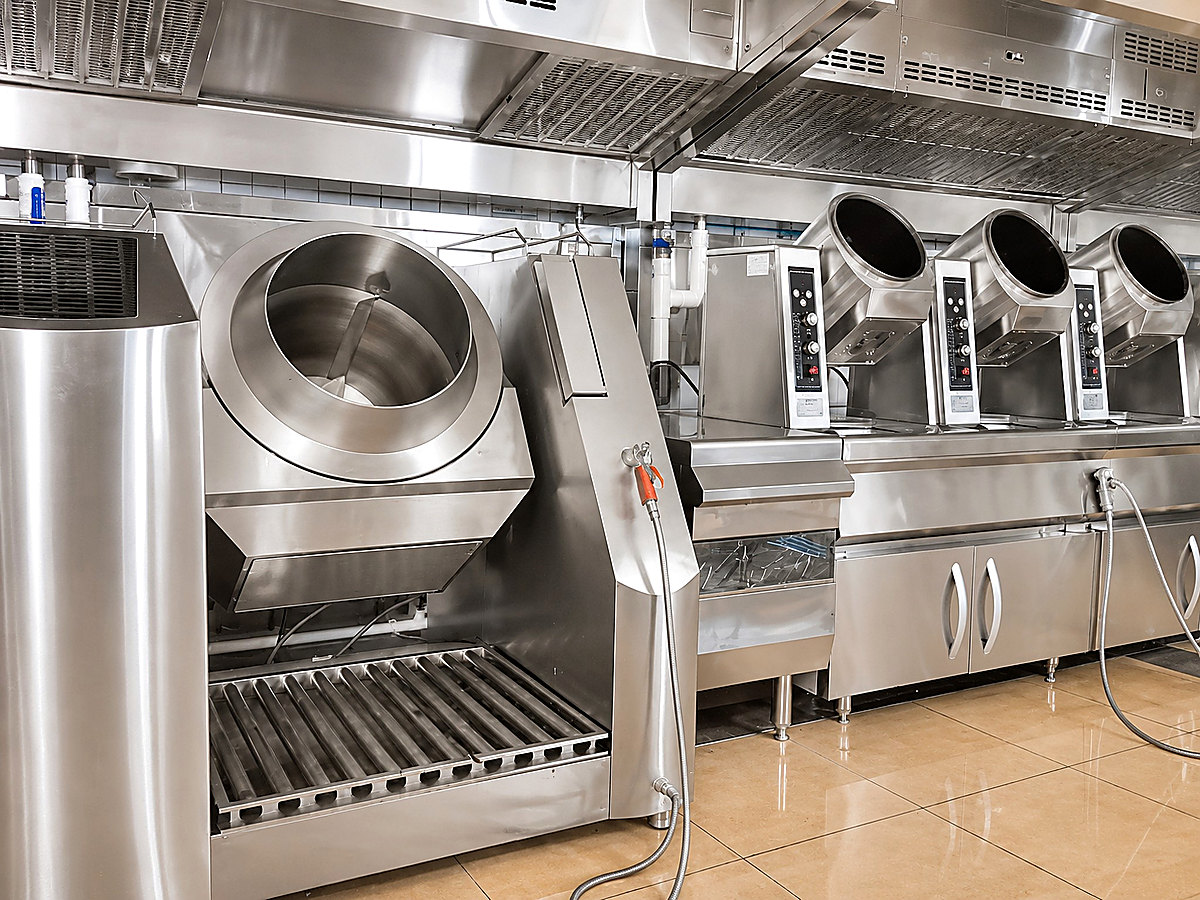
Overseas corporate canteens, Chinese-food canteens in universities, hospital canteens and central production kitchens for group catering have multiplied in recent years, and demand for stable, high-volume Chinese hot meals keeps rising. Yet many operators of overseas Chinese-food canteens face the same obstacle: experienced wok chefs are scarce, visas and work permits are restricted, labour costs are high and dish quality fluctuates. A traditional open-flame kitchen also needs a complex make-up air and exhaust system, which raises the compliance threshold and makes the back of house hot and humid. In this situation, automatic stir-fry machines are becoming the mainstream solution for overseas Chinese-food canteens.
This is why, when we design overseas canteen projects, we increasingly build automatic stir-fry machines into the plan: staff canteens for Chinese enterprises abroad, local school and hospital canteens, chain Chinese restaurants and central catering kitchens are all using the machine to take over the “wok toss” and the program to take over “flavour consistency”. The same dish tastes the same in different cities and on different shifts; output no longer depends on one chef’s touch, and headcount and labour costs in the back of house drop noticeably. Below we sort out the automatic stir-fry machines commonly used in canteens: how the types differ, how to match them to a scenario, and which parameters to check when selecting, so that project owners can plan the equipment early, at the commercial kitchen design stage.
I. Why Overseas Canteens Increasingly Rely on Automatic Stir-Fry Machines
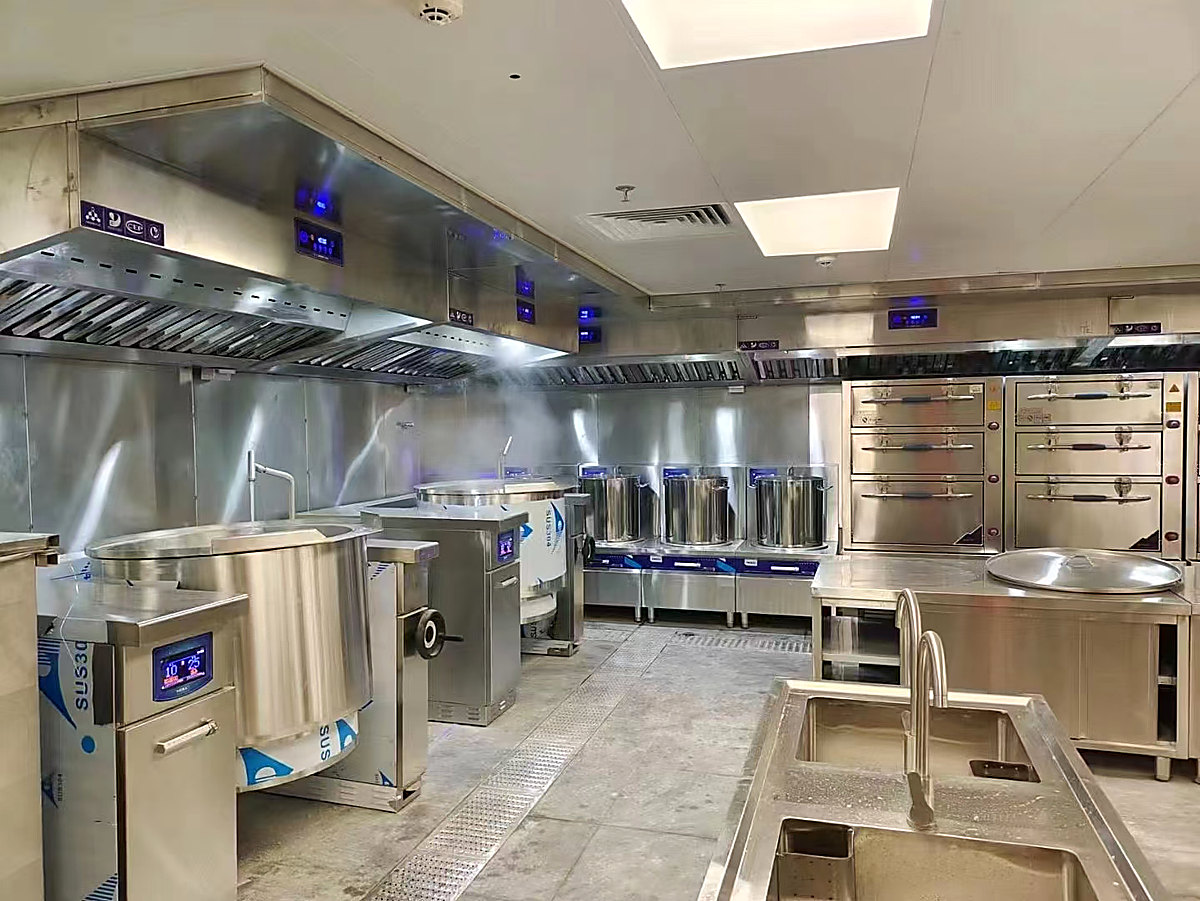
First, Chinese cooking chefs are very hard to cultivate locally overseas. Bringing chefs out from China runs into strict work visas and language barriers. A mature Chinese chef costs far more in salary and benefits than an ordinary back-of-house employee, which pushes up canteen operating costs. When the canteen serves a concentrated peak the physical workload is heavy, and the high-temperature, greasy environment of a traditional wok range easily causes occupational strain.
Second, a canteen is a high-volume service scenario in which consistent flavour is hard to standardise. Manual tossing depends on the chef’s condition, and change the chef and the taste changes too. An automatic stir-fry machine controls oil temperature, tossing speed, heating time and ingredient sequence programmatically, so every run of the same recipe comes out very close.
Third, Chinese stir-frying generates a great deal of heat and smoke. Overseas countries regulate grease emissions from commercial kitchens, back-of-house ventilation and occupational health strictly. A traditional open-flame wok range places heavy demands on the make-up air and exhaust system; once supply air and exhaust volume are mismatched, the kitchen quickly becomes hot and smoke escapes, which creates a high risk of rectification in environmental assessment and hygiene inspection, and the retrofit cost is large.
Finally, throughput. Manual wok capacity has a fixed ceiling, and a shortage of hands quickly causes service delays, whereas one 60 L machine can produce 30–50 portions per batch and run three or four cycles at the peak of a meal, which is enough to serve several hundred diners reliably.
In Kitlalong Commercial Kitchen Design’s actual projects, all four requirements appear at the same time. That is why an automatic stir-fry machine is never a stand-alone equipment purchase — it is a key decision to be made at the commercial kitchen design stage.
II. The Three Main Types of Automatic Stir-Fry Machines for Canteens
Plenty of devices are sold under the name “automatic cooking machine”, but only three types are genuinely effective in a canteen.
1. Drum-Type Automatic Stir-Fry Machine
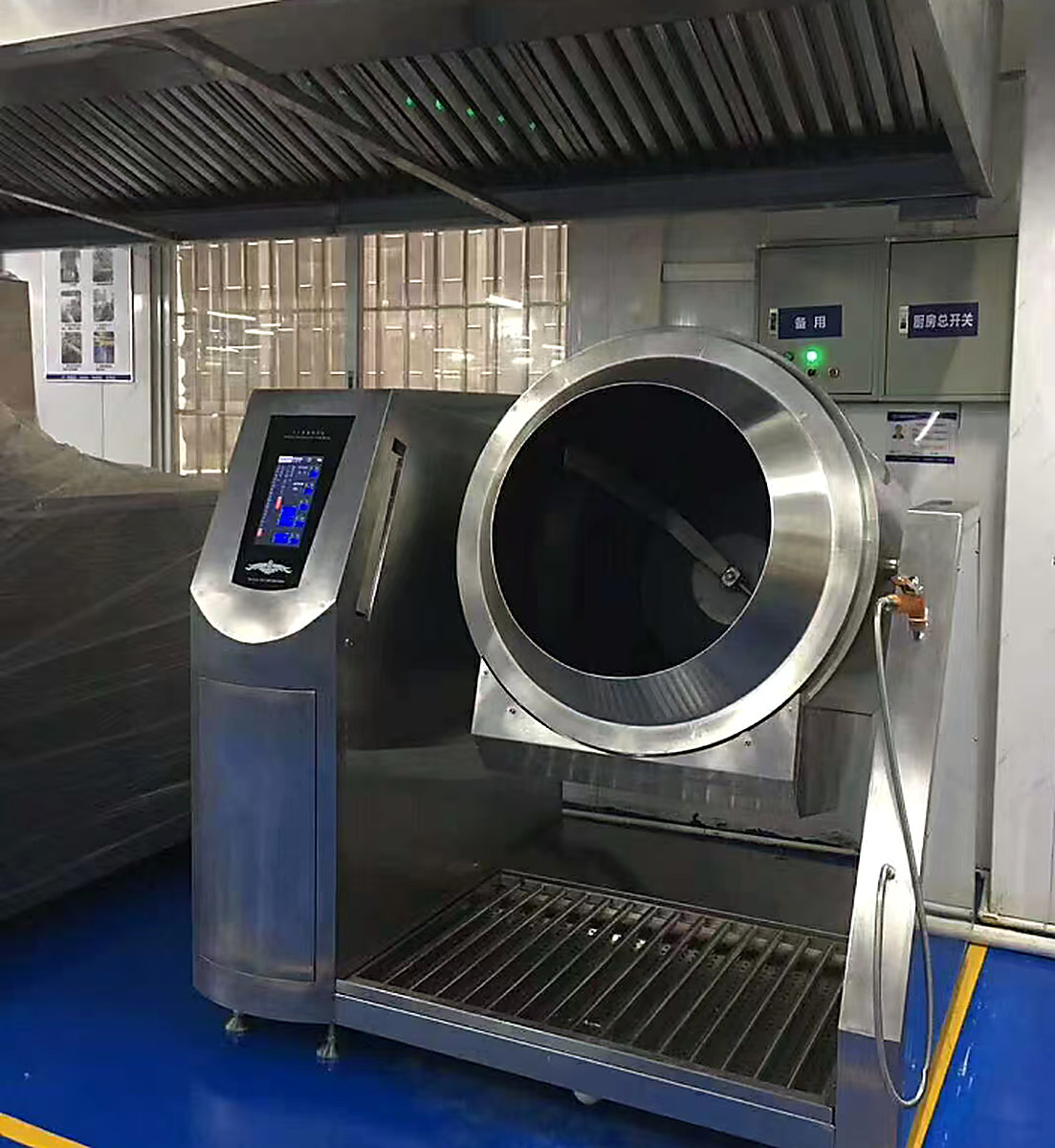
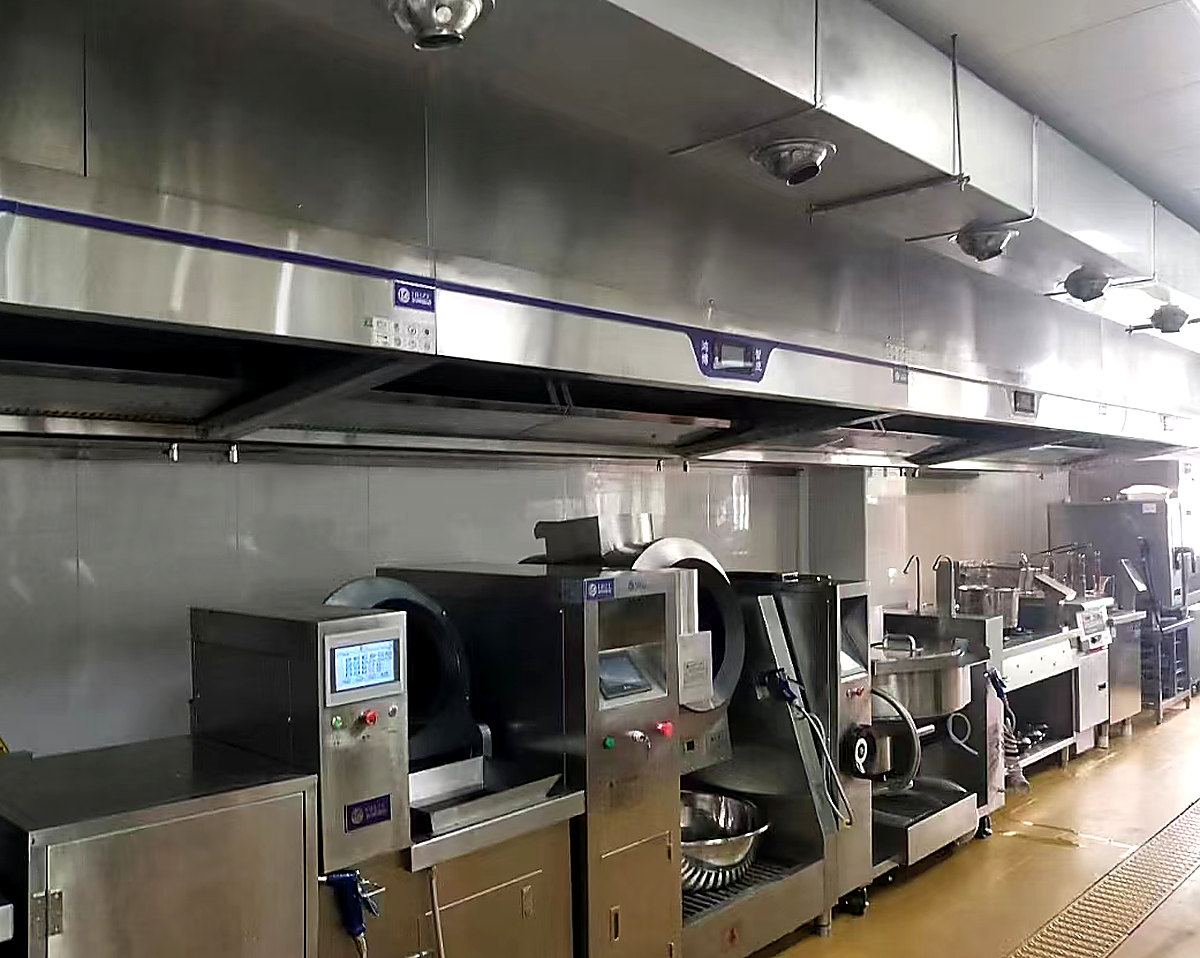
The drum type is the most common machine in canteens today. Its core is a rotating stainless steel drum; external heating (electric or gas), drum rotation and internal stirring teeth work together so that ingredients are tossed while they cook. Food keeps tumbling inside the drum, heats evenly and rarely sticks or burns, which suits leafy greens, root vegetables, home-style stir-fries and mixed meat-and-vegetable dishes. Common capacities run from 30 L to 120 L, delivering 50–200 portions per batch. The advantages are a texture close to hand-tossed bulk cooking, a relatively simple structure and a low failure rate; the limitation is that the tumbling motion makes it unsuitable for whole fish or whole chicken dishes that must keep their shape.
2. Multi-Function Stirring Wok / Braising Kettle
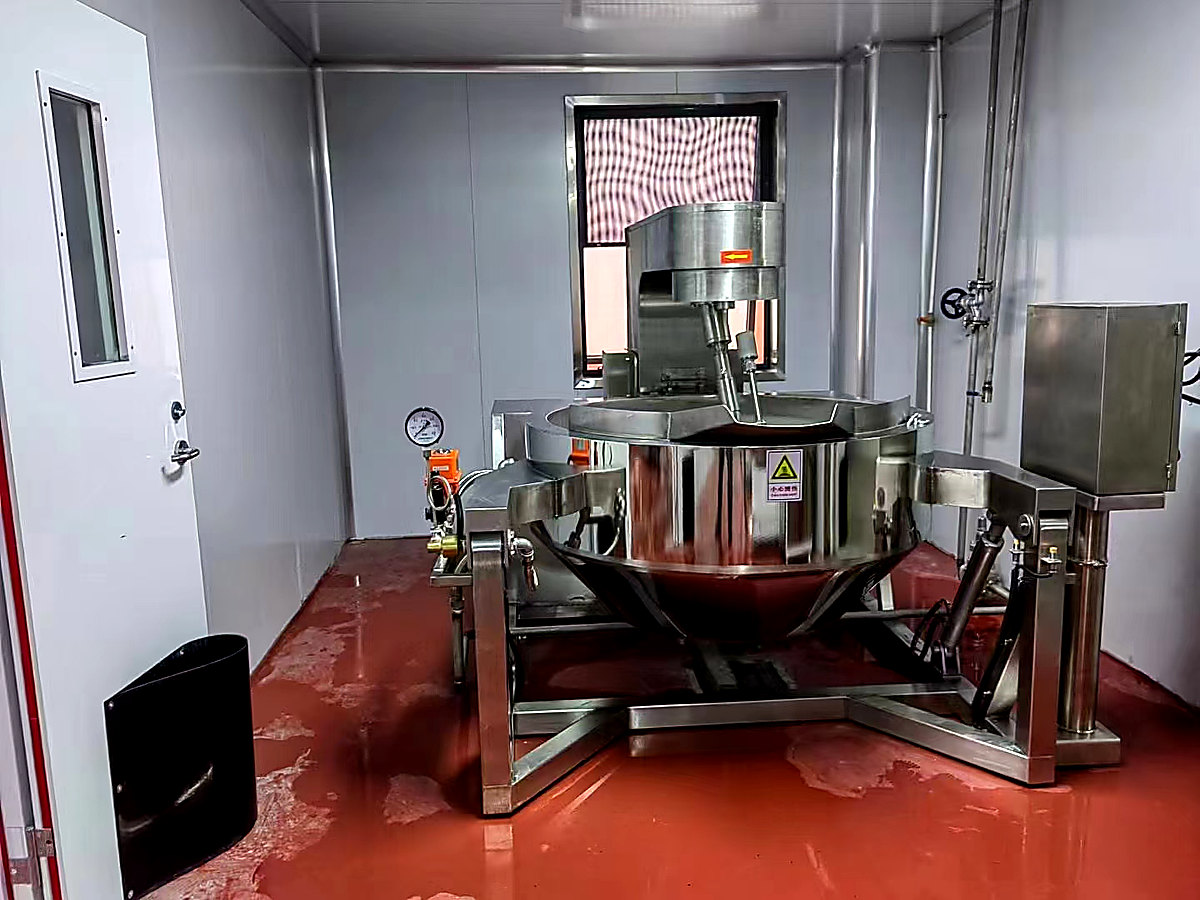
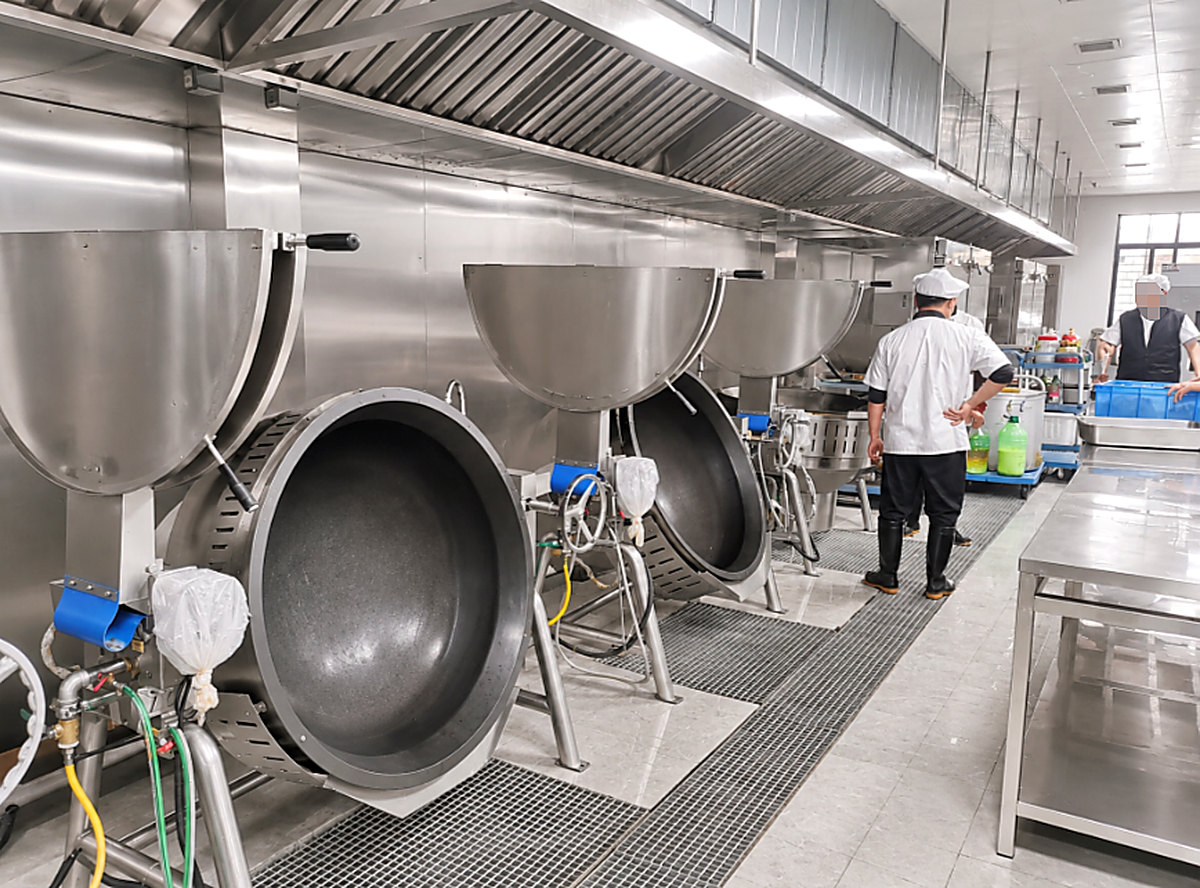
A stirring wok (also called a planetary stirring wok, or a jacketed kettle with agitator) uses a fixed bowl with a planetary stirring paddle. The paddle sweeps the bottom and the wall of the bowl in a planetary path, so the machine can stir-fry, braise, boil, reduce sauces and make soup. Compared with the drum type it offers larger capacity (80 L, 150 L and 300 L are all common) and suits items that need long stirring — braised meat, lo mei, sauces, congee and large-batch stews.
The value of a stirring wok in a canteen is that it covers several posts at once. One machine can braise, stew, make congee and cook sauces, which reduces the number of equipment types and simplifies the back-of-house flow. As for heating, a steam jacket is gentler and more even than electric heating and is particularly suited to dishes that need long, slow braising.
3. Intelligent Cooking Robot
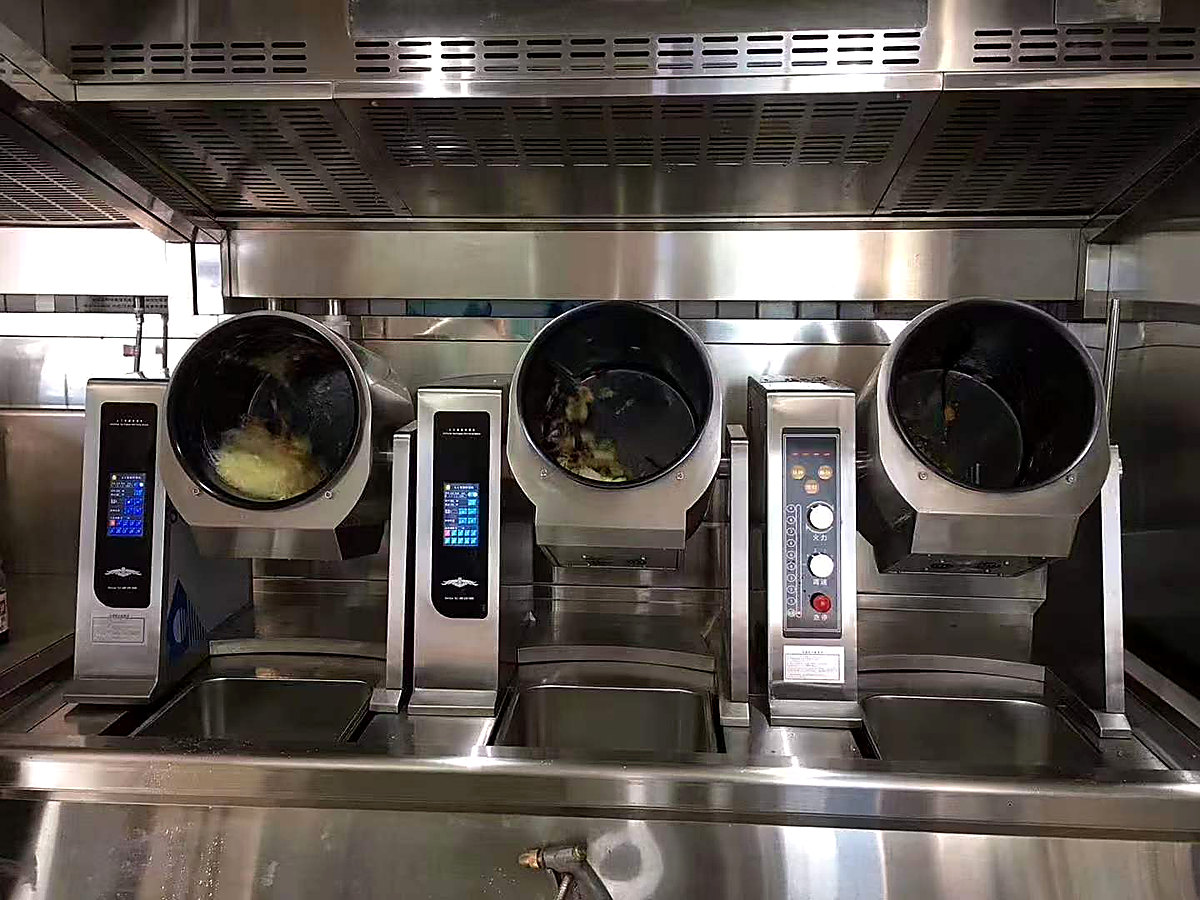
The intelligent cooking robot is the high-end category that has spread rapidly over the past five years. It usually offers a cloud recipe library, precise weighing, automatic ingredient dispensing, multi-stage temperature control, automatic discharge and self-cleaning. It is closer to a programmable kitchen workstation: a dish is broken down into a set of parameters — temperature, time, dispensing sequence, tossing force — tuned once and reused forever.
The value of an intelligent cooking robot in a canteen lies in two things. One is recipe digitalisation: a veteran chef’s craft becomes a program, so output does not change when the person changes. The other is multi-category switching: one machine can run five or six different dishes in a single service with automatic cleaning in between, which suits menus that rotate frequently. The drawbacks are clear too — high unit price, time needed to tune recipes, and demanding requirements on power supply and exhaust provisions.
In the same kitchen these three types usually complement rather than replace one another. Kitlalong’s one-stop commercial kitchen service lays out the quantity ratio and the workstation sequence of all three at the design stage.
III. How to Configure the Four Typical Canteens
Canteens differ widely in diner numbers, menu structure, budget and maintenance capability, so selection cannot be generalised.
School Canteens (Primary, Secondary and University)
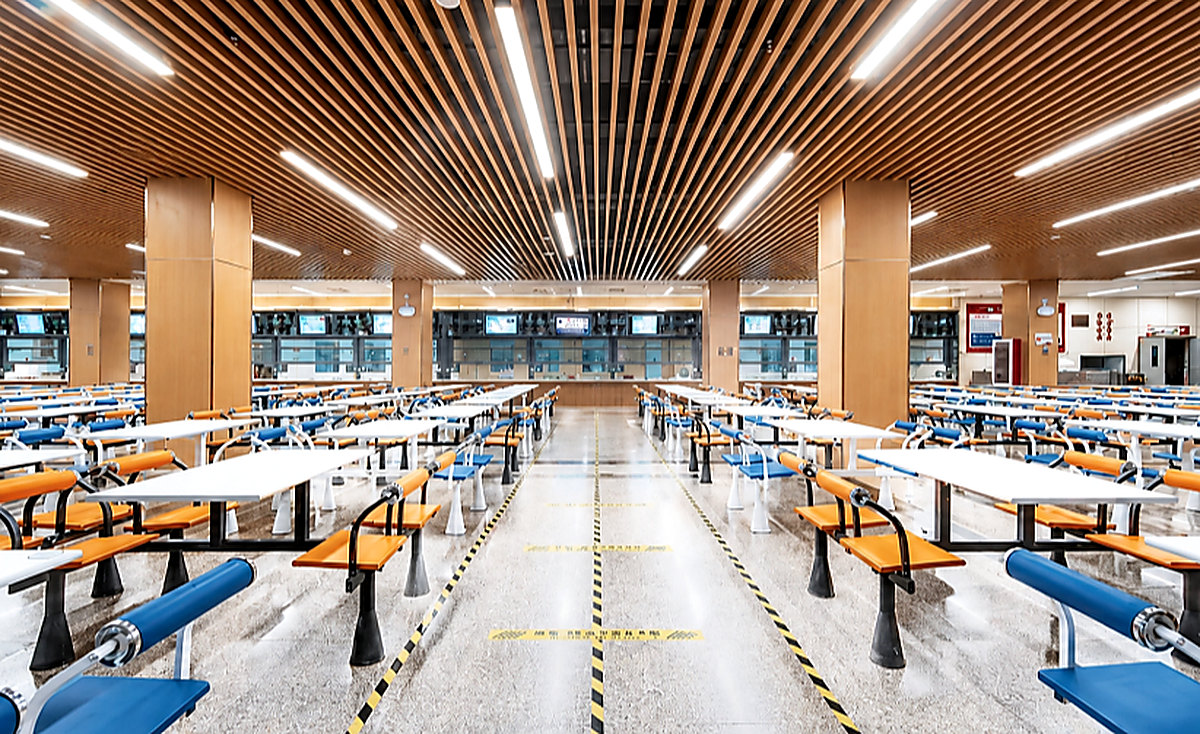
Home-style stir-fries, braised dishes and large-batch stews dominate; service must be fast, flavour stable and food-safety standards high. We recommend a drum-type automatic stir-fry machine as the main unit, with one or two stirring woks handling braised dishes and congee. School meal times are concentrated and the equipment runs hard continuously, so check material (304 or 316 food-grade stainless steel), protection rating and ease of cleaning first. Universities have diverse cuisines and can add an intelligent cooking robot for a speciality counter.
Corporate Canteens
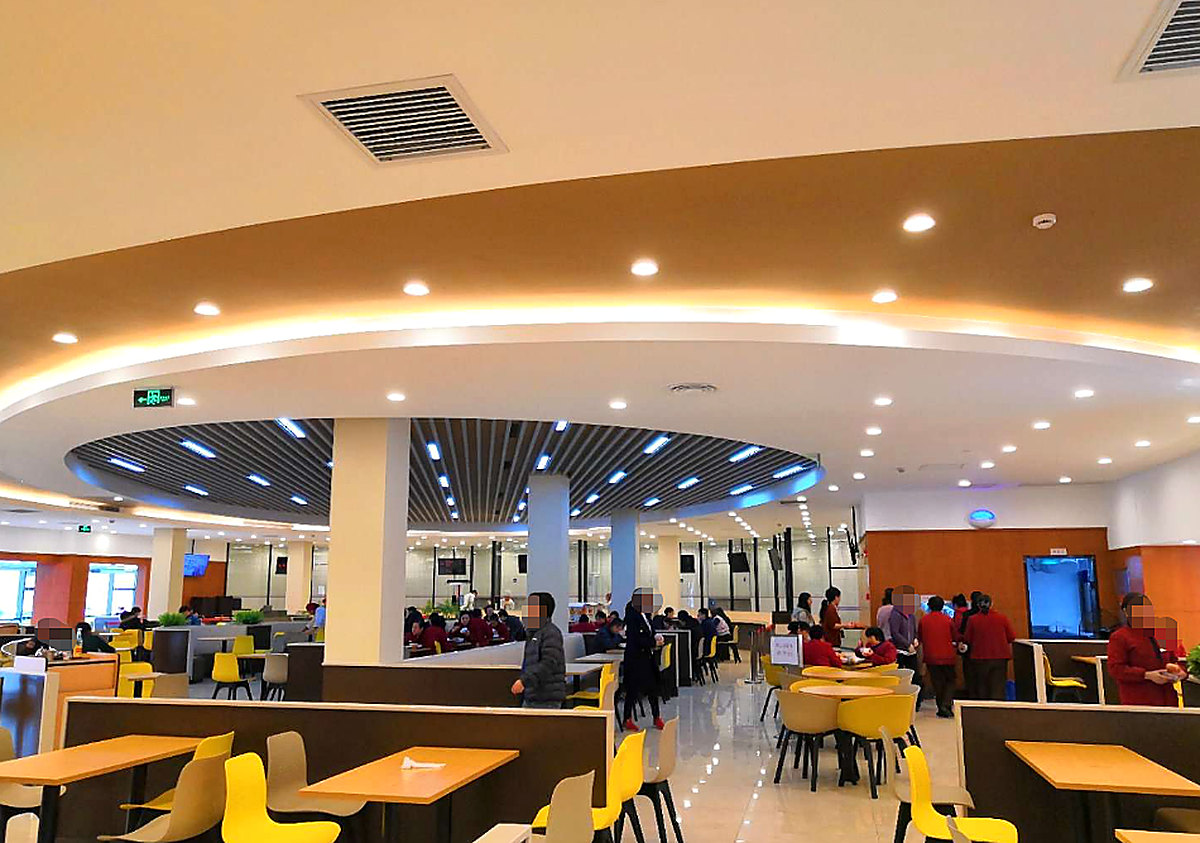
The menu is richer than a school’s and must balance variety against cost control. We recommend a combination of drum type, stirring wok and a small number of intelligent robots. Corporate canteens often run healthy-eating counters and regional speciality counters, and a robot’s ability to switch recipes quickly comes into its own there.
Hospital and Nursing-Home Canteens
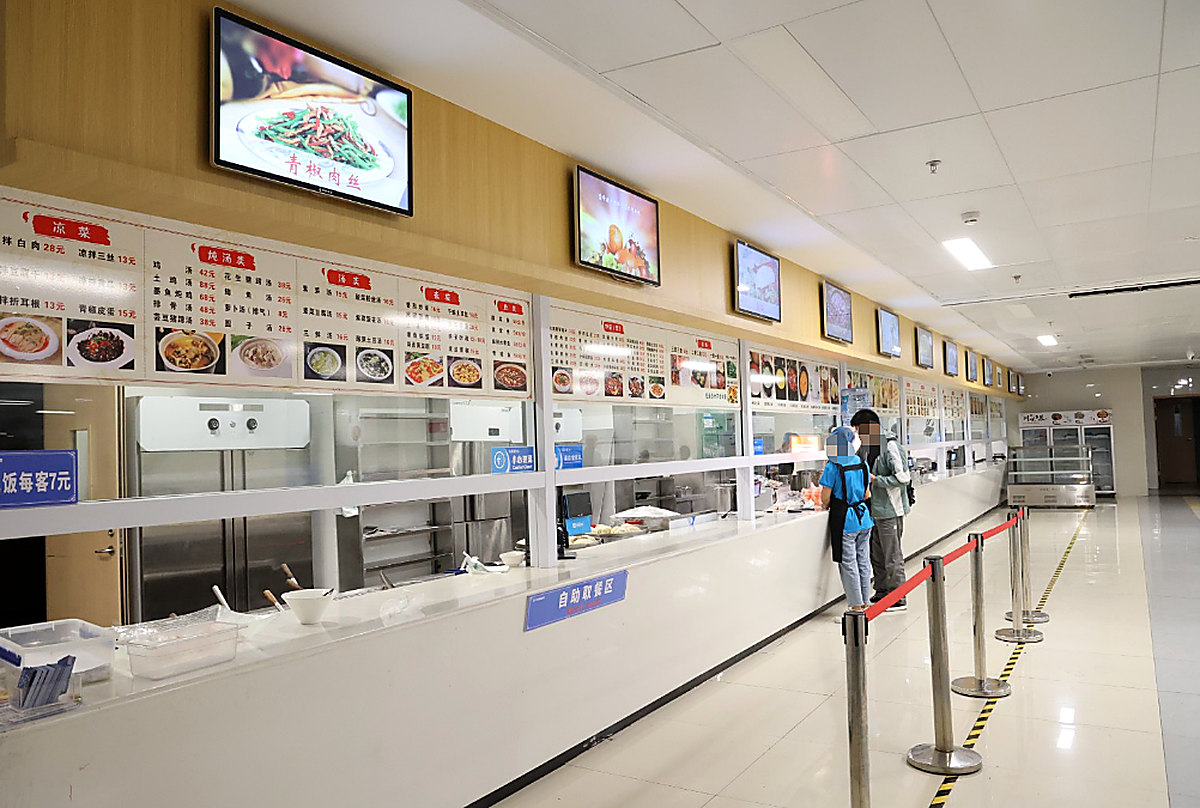
These need low-oil, low-salt, easy-to-digest soft food and braised items. The service rhythm is gentler but nutritional balance matters more. We suggest leading with a steam-heated stirring wok for slow braising and precise temperature control, supported by a small-capacity drum machine for limited stir-frying. Hospital canteens should also look at noise levels and ease of cleaning.
Central Kitchens and Group Catering
Volumes per batch are large and food has to be reheated after delivery. We recommend high-capacity stirring woks (150 L and above) working with several intelligent robots to form a group-catering line built on digital recipes and scale production. This scenario places the highest demands on equipment stability, energy consumption and after-sales response speed.
Six Key Parameters to Check When Selecting
When matching a scenario to a specific model, six parameters decide whether the machine is actually suitable.
- Bowl capacity and output per batch. Estimate by dividing diner numbers by portions per batch and then multiplying the number of cycles: for a 500-diner canteen, 50 portions per batch over 2–3 cycles per service, 60–80 L is appropriate; above 1,000 diners start at 100 L.
- Heating method and power. Electric heating is easy to install and controls temperature precisely, suiting sites with ample power; gas heats faster at lower energy cost but needs exhaust and gas provisions; a steam jacket is gentle and even, suiting braising but requiring boiler support.
- Stirring and tossing mechanism. For drum types, check whether the rotation speed is adjustable and whether the stirring teeth can be removed for cleaning; for stirring woks, check whether the paddle hugs the bowl and whether there is a bottom-scraping silicone strip; for intelligent models, check the number of dispensing hoppers and the weighing accuracy.
- Program and recipe capability. Entry-level models offer only a few presets, mid-range models store 20–50 recipes, and premium models support cloud delivery and custom programming. The more often the menu rotates, the more recipe storage capacity matters.
- Cleaning convenience. Whether the bowl can tilt to discharge, whether the inner vessel is removable, whether there is a self-cleaning program, and whether corners trap residue. Cleaning difficulty directly determines equipment life and back-of-house hygiene.
- Manufacturer service and support. Check whether the supplier provides selection consulting, kitchen engineering support, on-site installation and commissioning, operator training and a clear after-sales response time. When canteen equipment stops, an entire organisation cannot eat, so the service network matters no less than the machine itself.
Why This Must Be Fixed at the Commercial Kitchen Design Stage
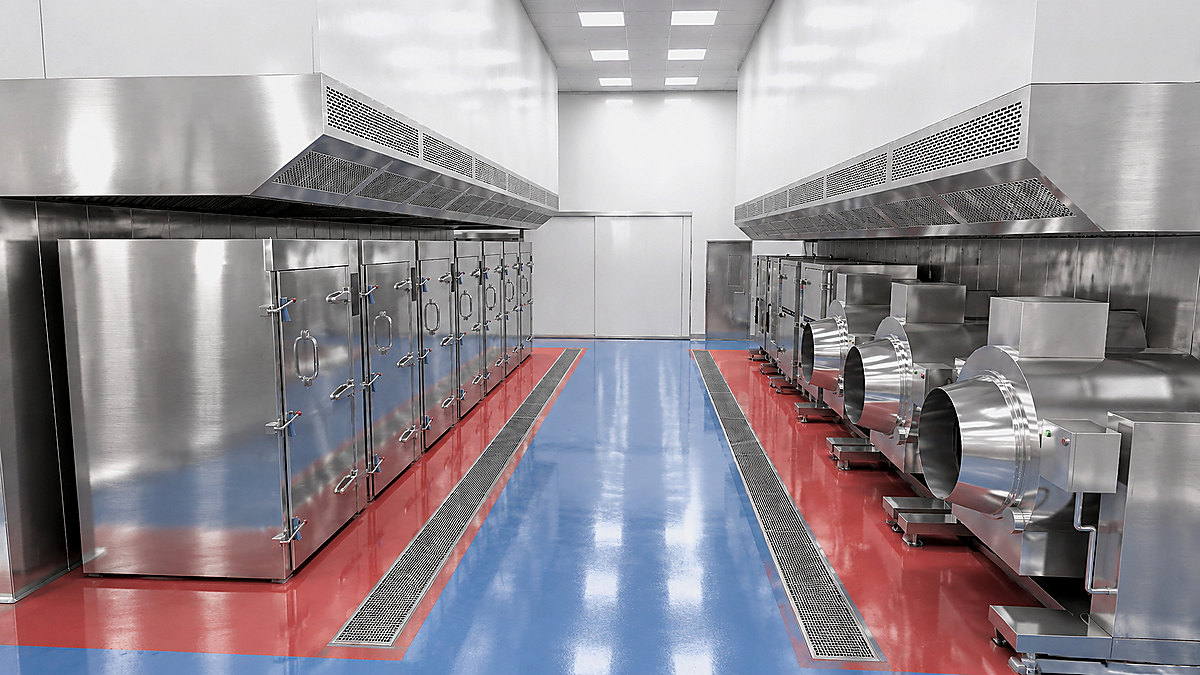
Many canteen projects only think about equipment once fit-out has started, which leads to a string of problems: the exhaust hood is not high enough, electrical capacity is insufficient, the ingredient-supply route detours, and access panels end up sealed behind cabinetry. Once an automatic stir-fry machine is installed it occupies a workstation, draws power, needs exhaust, needs drainage, and changes the rhythm of the entire service flow.
That is why Kitlalong Commercial Kitchen Design works out four things first: menu structure and output, equipment combination and number of workstations, mechanical, electrical and exhaust capacity, and cleaning and maintenance access. Then we return to the floor plan and arrange the stir-fry machines, steaming cabinets, warewashing line, prep tables and serving counters into a single flow that never doubles back. Kitlalong also supplies a range of automatic stir-fry machines, and their specifications can be viewed on our product pages.
Conclusion
For overseas Chinese-food canteens, moving to automatic stir-fry machines is not simply replacing people with machines. It is a structural upgrade in response to the overseas labour environment, compliance requirements and high-volume catering demand. It frees canteens from dependence on chef resources, stabilises dish quality, simplifies ventilation and exhaust provisions, and makes the Chinese group-catering model easier to replicate and more controllable over the long run.
About Kitlalong Commercial Kitchen Design
Kitlalong Commercial Kitchen Design provides professional commercial kitchen design services for coffee shops, bubble tea shops, bars, hotels, hot pot restaurants, fresh-food supermarkets, fast-food outlets and chain restaurants. Our scope covers kitchen layout planning, equipment selection, workflow optimisation, coordination of plumbing and electrical points, verification of ventilation and heat-dissipation conditions, and design support for both new kitchens and kitchen renovations.
When you are preparing a new food-service kitchen, upgrading the back of house or planning a chain outlet, we recommend completing a professional commercial kitchen design before construction begins. Planning key equipment such as cooking ranges in advance reduces later rework, improves staff efficiency, and lets kitchen equipment, mechanical and electrical conditions and food-hygiene requirements work together as a whole.