
Commercial Kitchen Water Treatment Solutions
In a commercial kitchen, water is far more than an ingredient. Espresso machines, combi ovens, ice machines, dishwashers, water boilers — most of the core equipment works with water day in and day out. Scale, residual chlorine and excessive hardness do not just affect taste; they push up failure rates, energy consumption and inconsistency in output. Bringing water treatment into the early planning stage of commercial kitchen design, and matching the solution to the working conditions of each machine, is the most overlooked — and most critical — step in controlling long-term operating costs and safeguarding product consistency.
Why Commercial Water Treatment Matters
1For Equipment
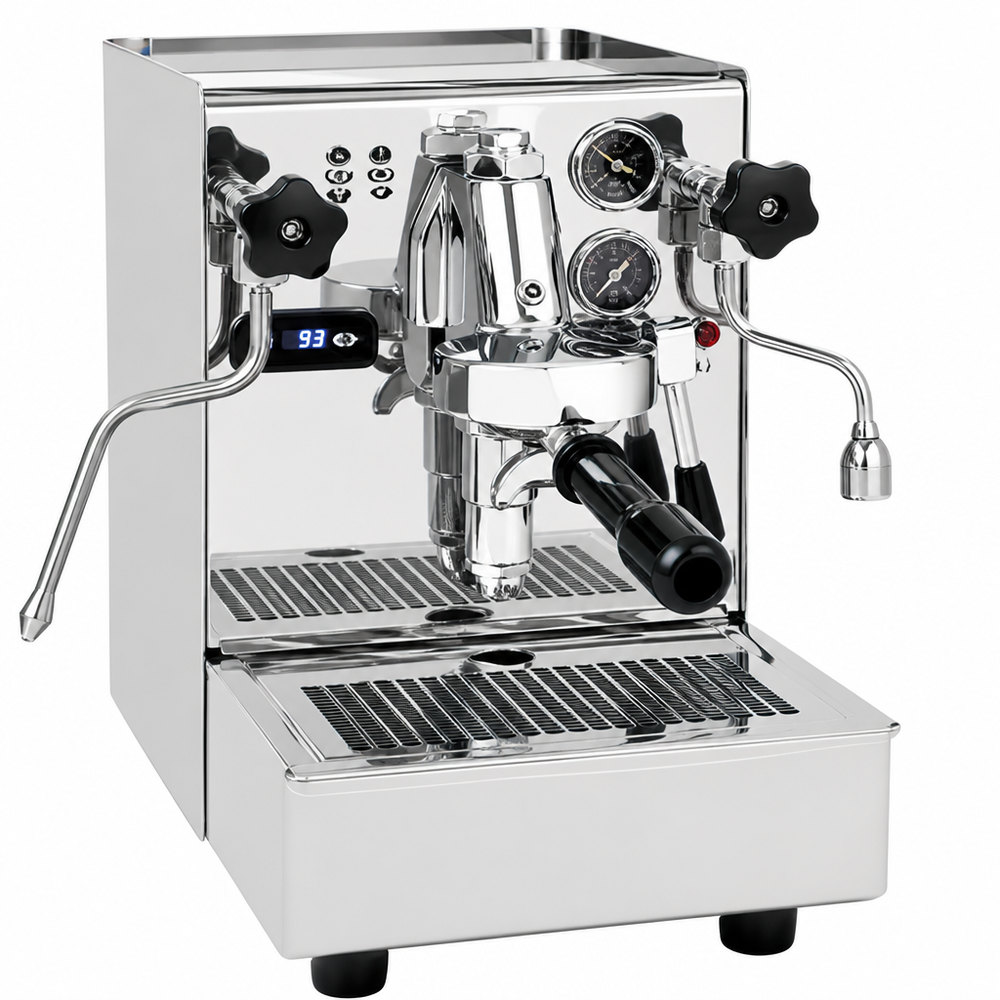
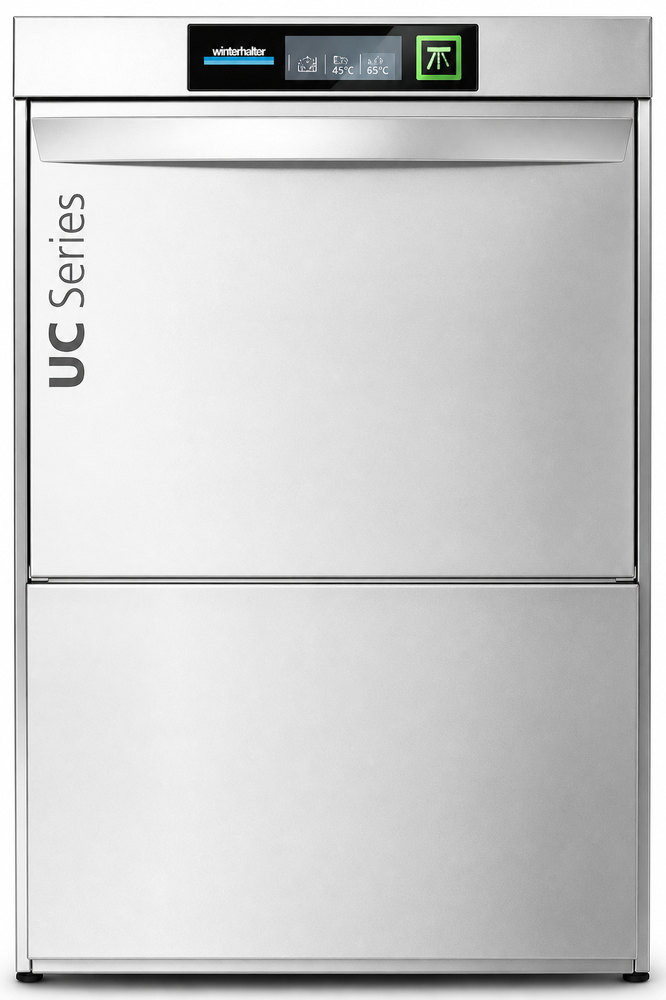
Effectively reduces scaling in espresso machines, concentrate machines, beverage dispensers, water boilers, ice machines, steam ovens and dishwashers — delivering better water pressure, fewer breakdowns, more stable operation, more efficient utensil cleaning and lower energy consumption.
 |
 |
2For Output Quality
Coffee: better extraction, less bitterness
Espresso: smooth and full-bodied, with perfect crema
Cold / hot tea drinks: no scale deposits, clean and clear taste
Drinking water: residual chlorine removed, better taste, safer

3Sustainability
Energy saving: solving hard water and scaling effectively reduces energy consumption.
Lower electricity bills: RO systems need no electricity, saving more on power every year.
No more bottled water: cuts down on discarded plastic bottles.

Categories of Commercial Water Treatment Systems
1Direct Drinking Series
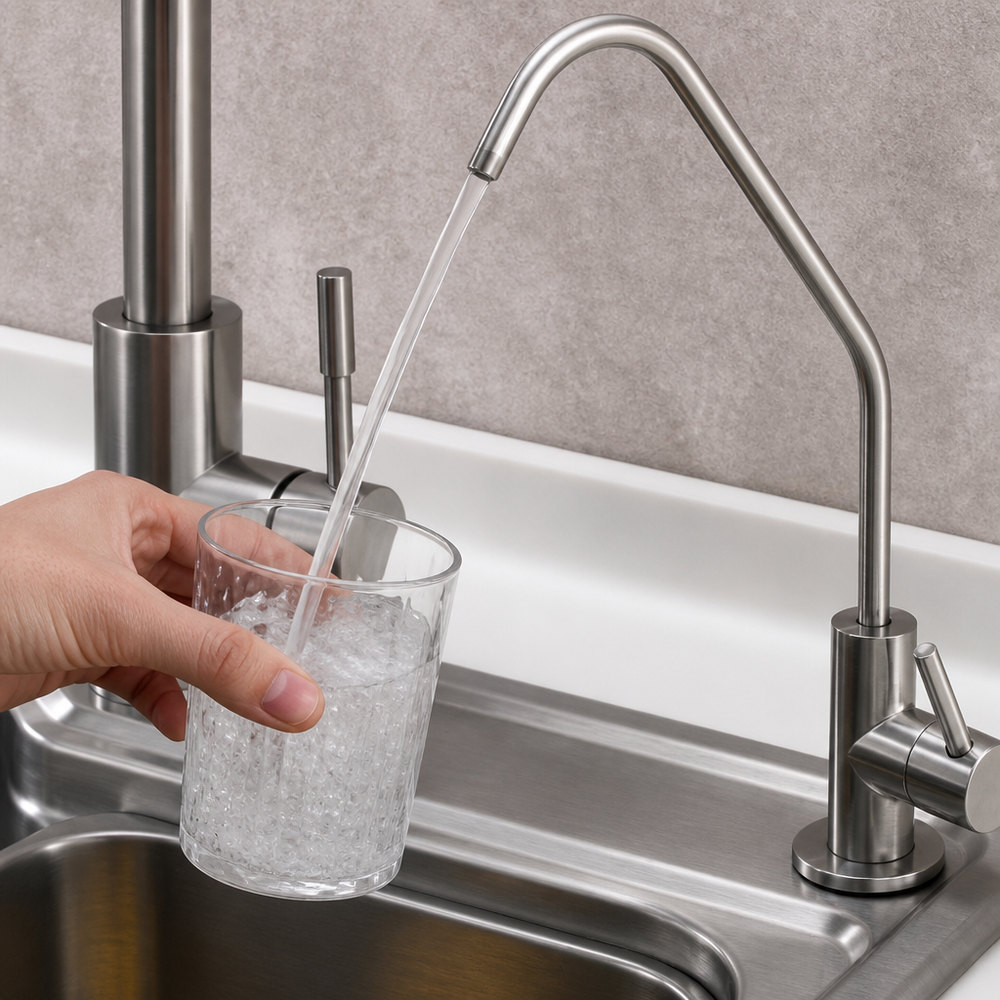
For drinking water only. Other functions: removes sediment, rust, residual chlorine, odours, colloids, spores and cysts, volatile organic compounds, microorganisms and bacteria.
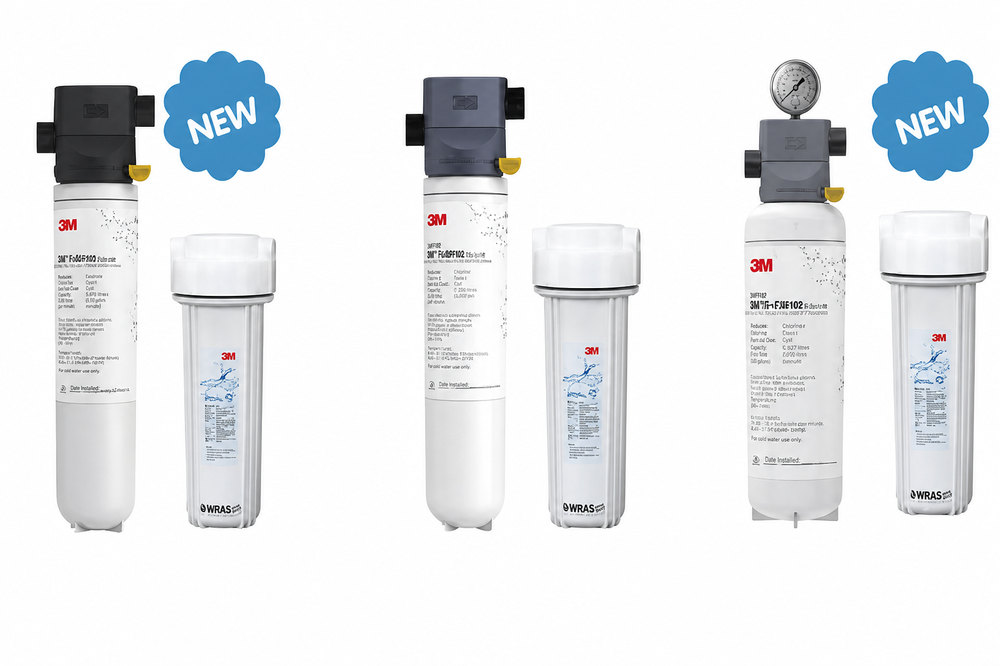
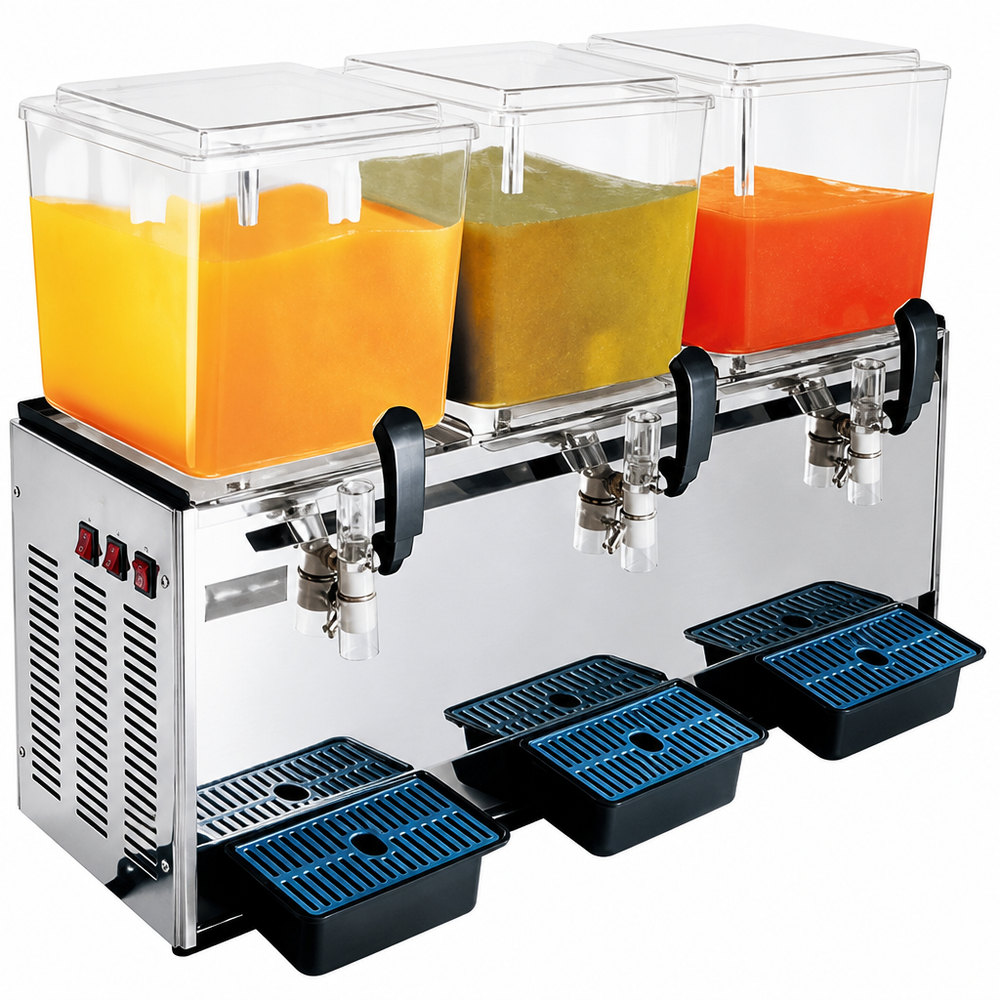
Applicable equipment: drinking water dispensers, beverage machines, soup ranges, etc.
 |
 |
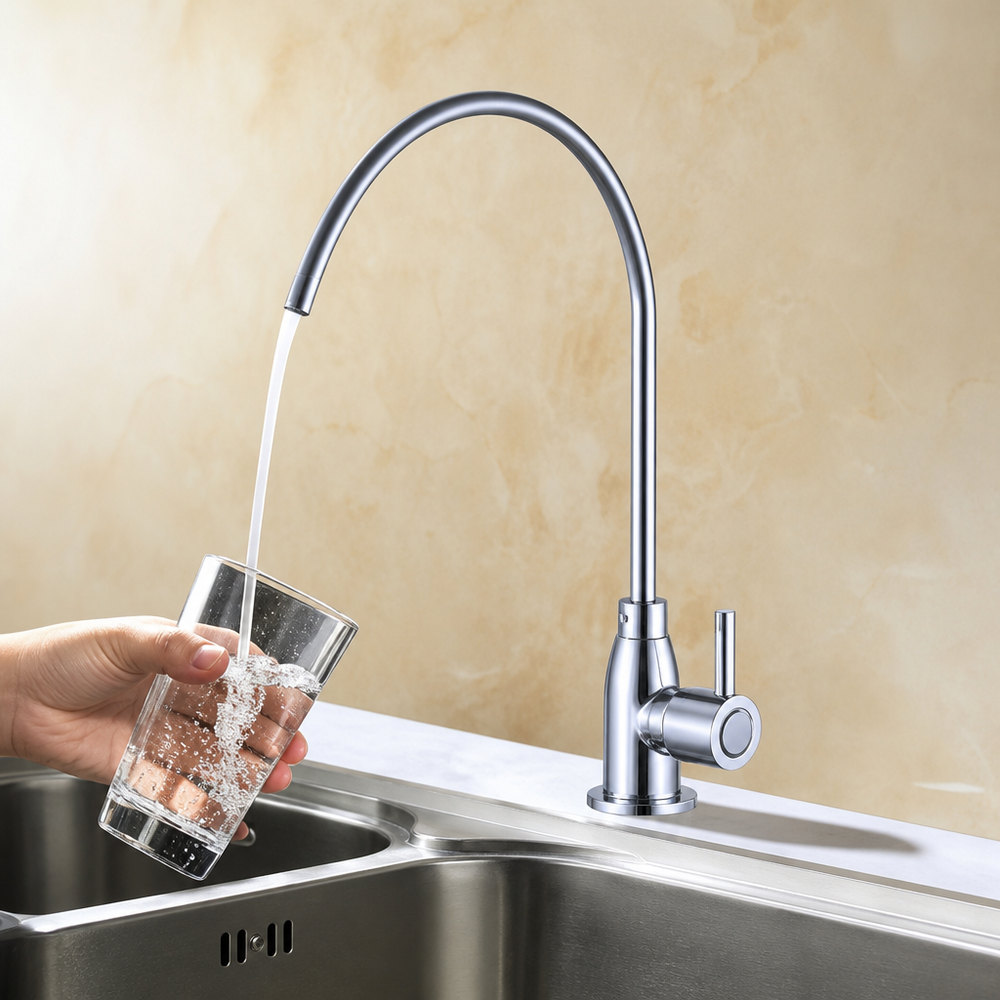
2Direct Drinking (Anti-scale) Series
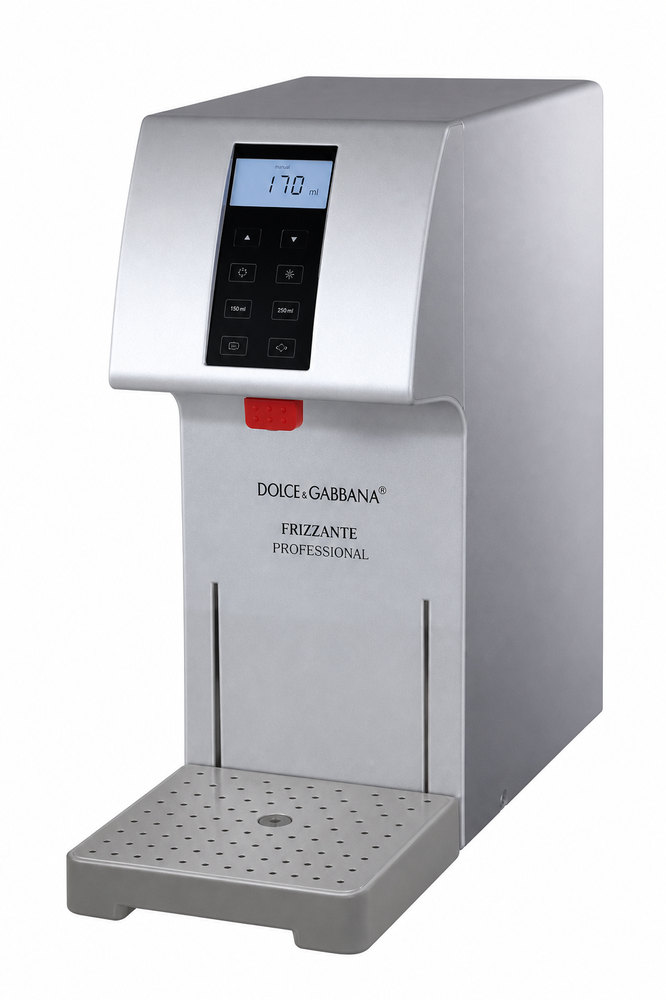
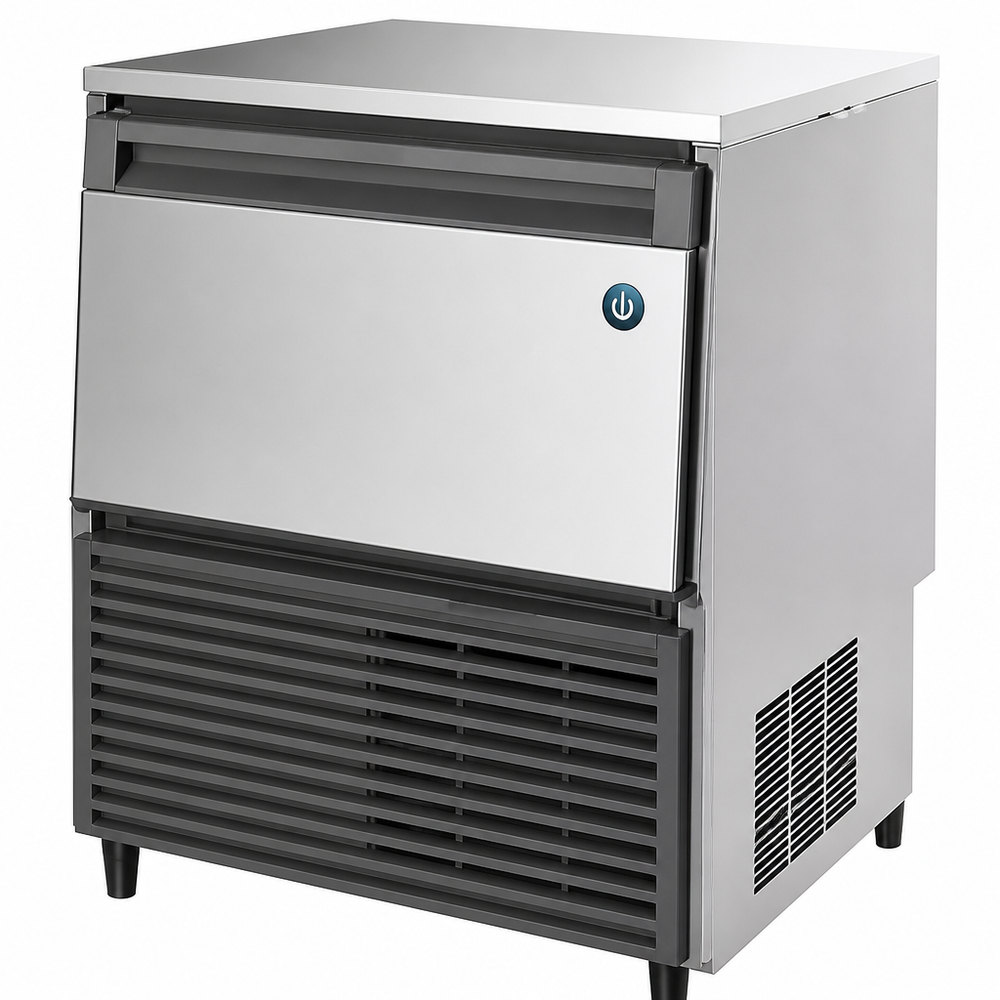
Suitable for drinking water, with an added anti-scale function. Functions: removes sediment, rust, residual chlorine, odours, colloids, spores and cysts, volatile organic compounds, etc. Includes anti-scale protection.
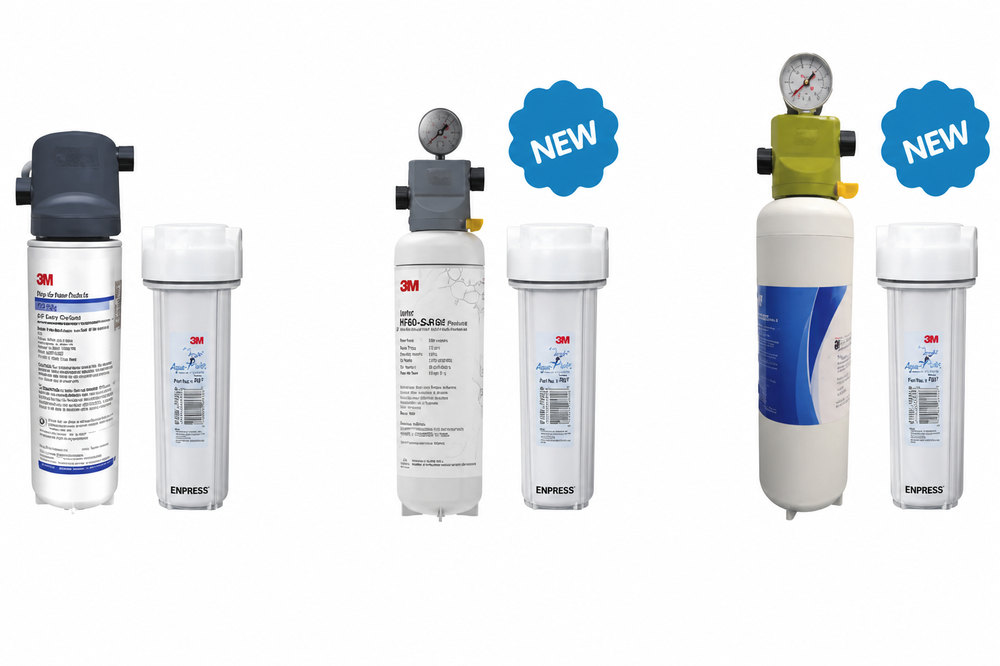
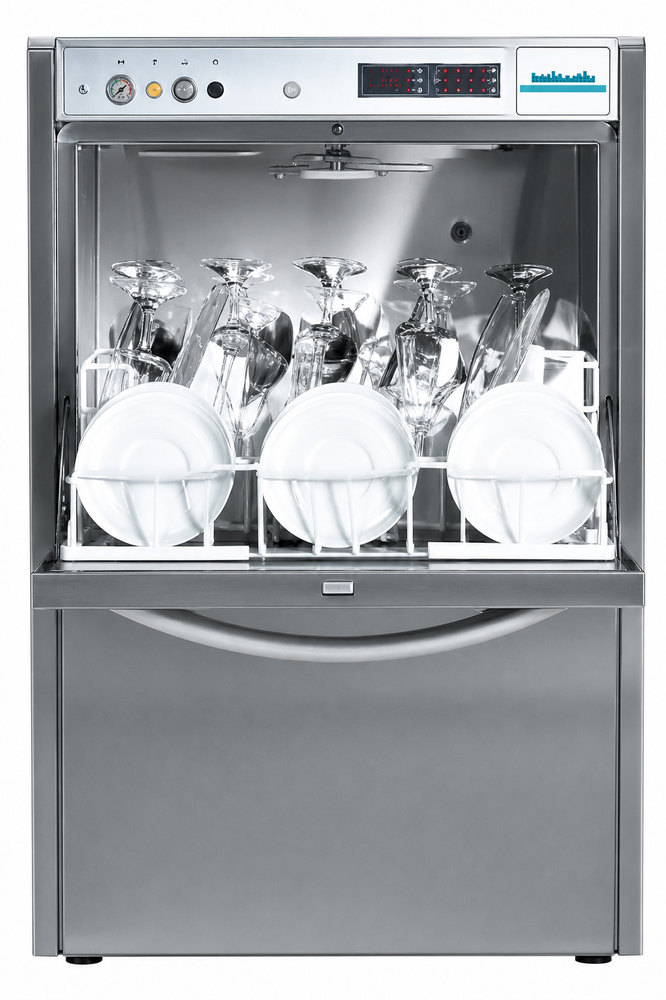
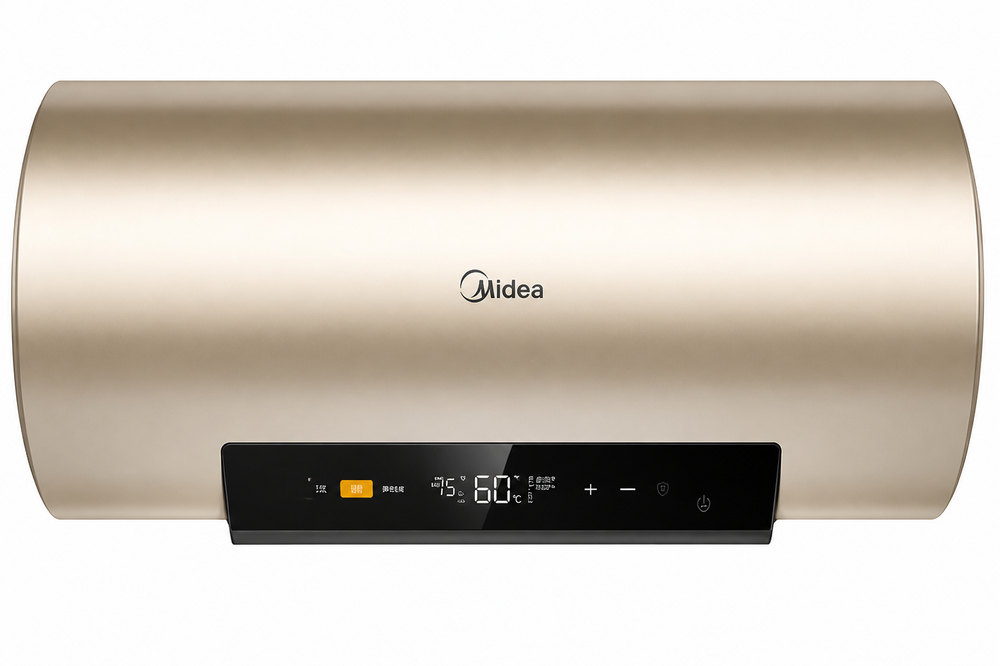
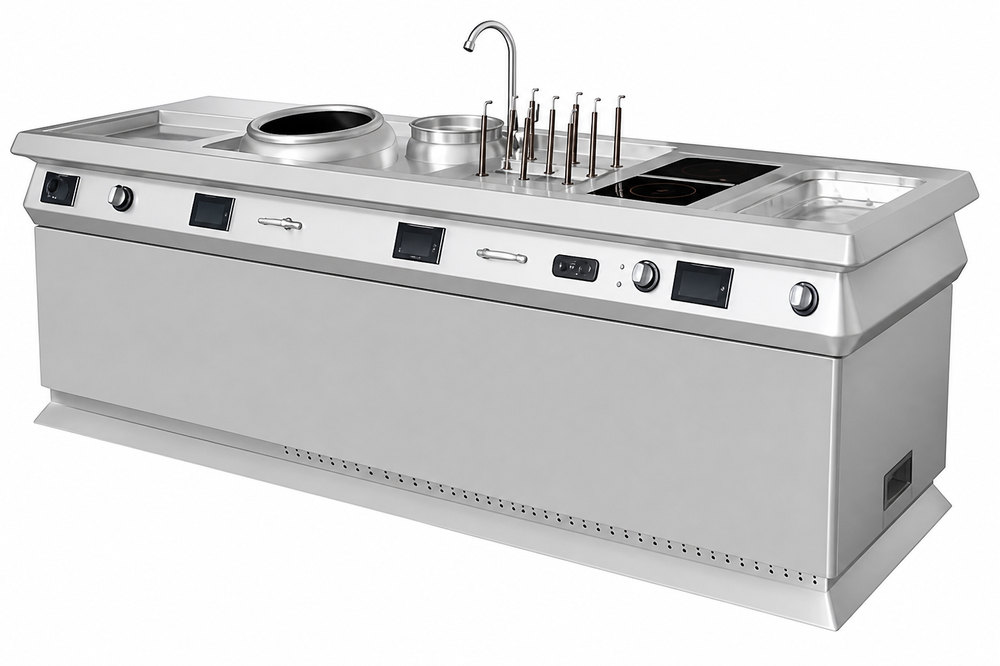
Applicable equipment: drinking water dispensers, water boilers, glass washers, ice machines, water heaters, open-kitchen equipment
 |
 |
 |
 |
 |
3Coffee & Tea Series
1. For Coffee / Tea Applications
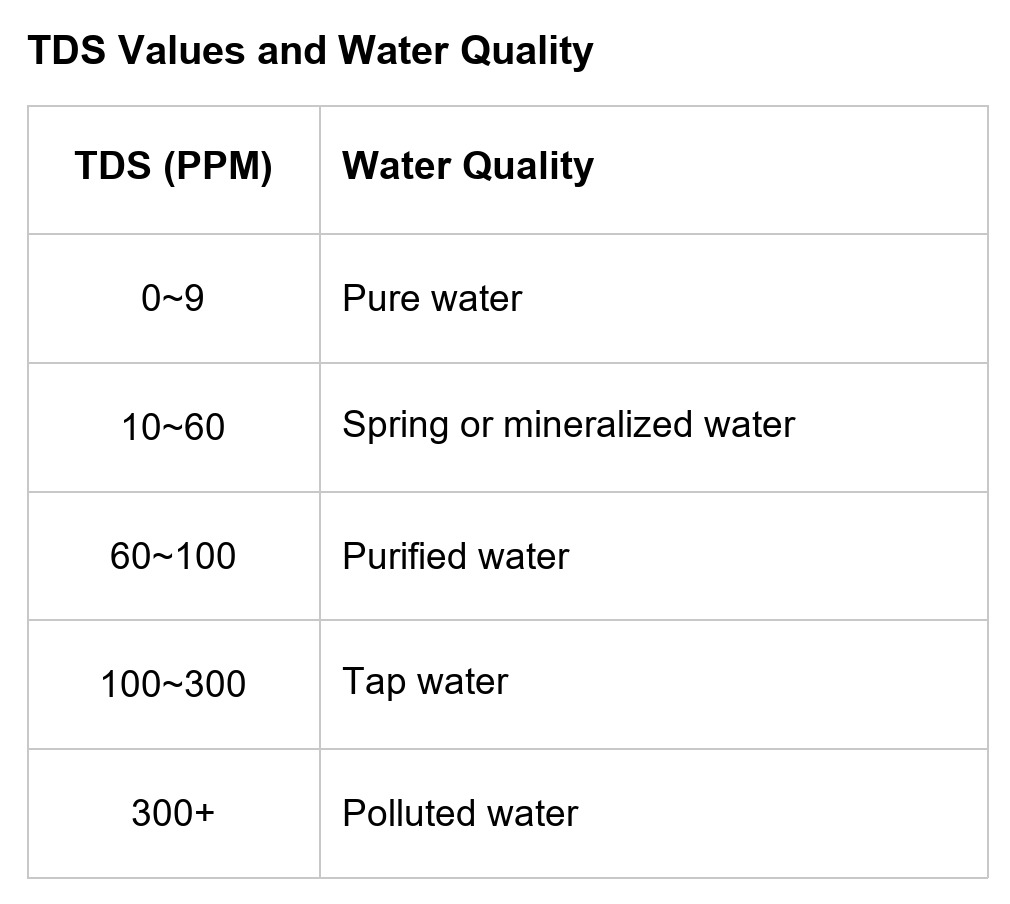
Uses reverse osmosis filtration for high water purity. A blending function mixes pure water and filtered water in precise proportions to deliver water with an accurate TDS value and hardness — meeting the higher demands of coffee and tea for TDS, hardness, alkalinity and mouthfeel.
Tip: the SCAA specifies a TDS of 75–250 ppm for brewed coffee, with 150 ppm being ideal. In general, below 75 ppm coffee tends to over-extract; above 225 ppm it tends to under-extract.
Equipment configuration:
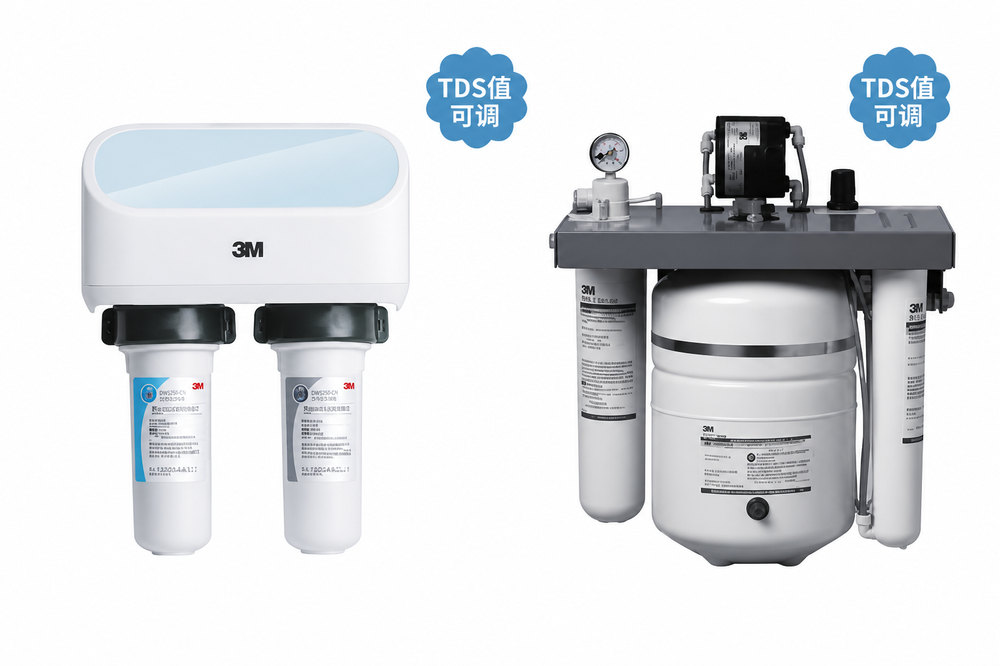
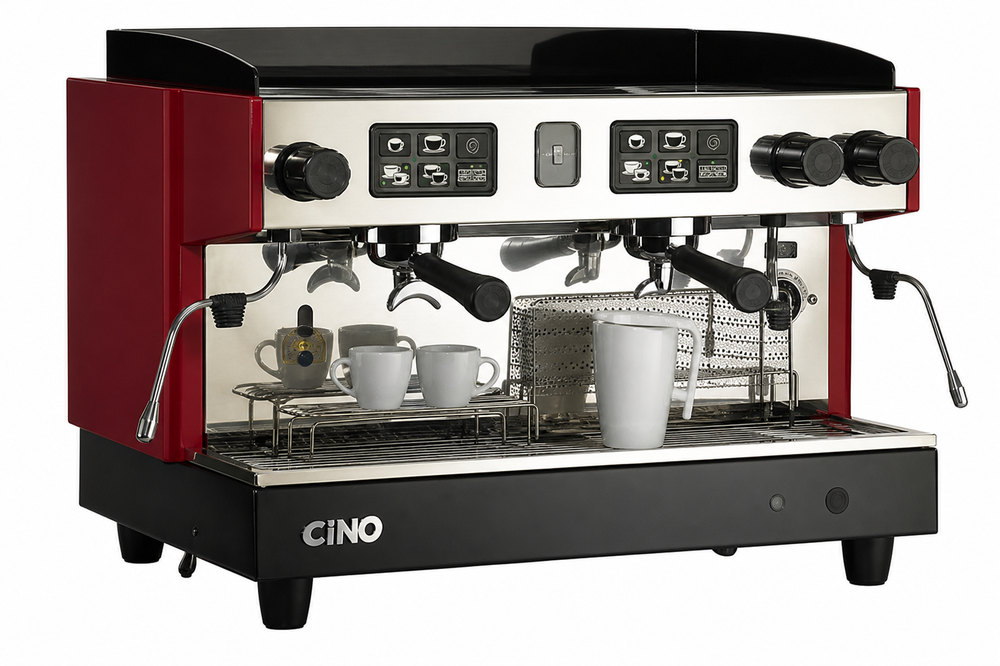
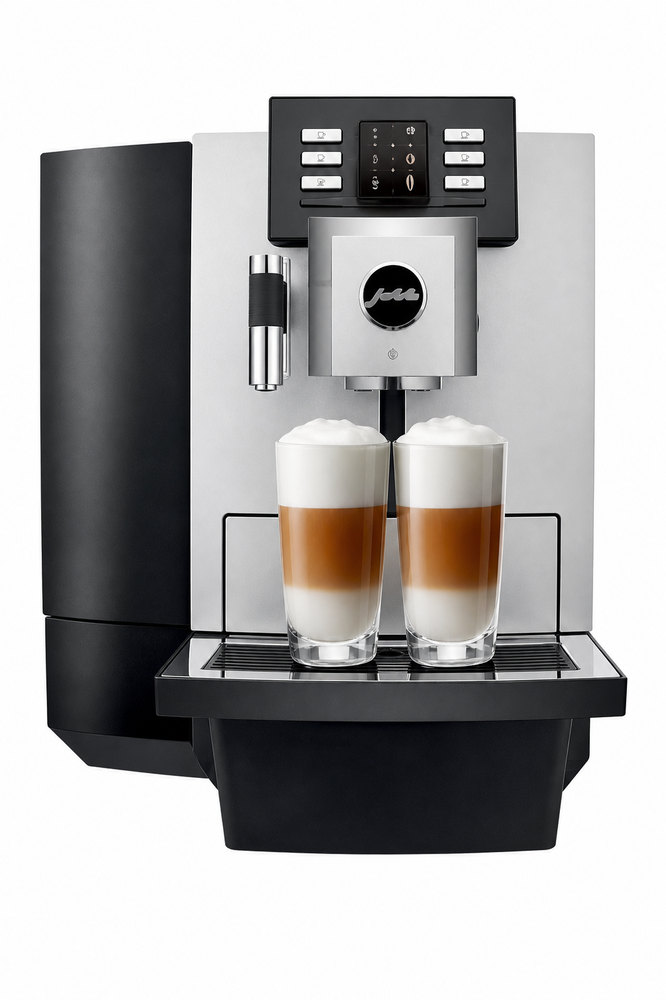
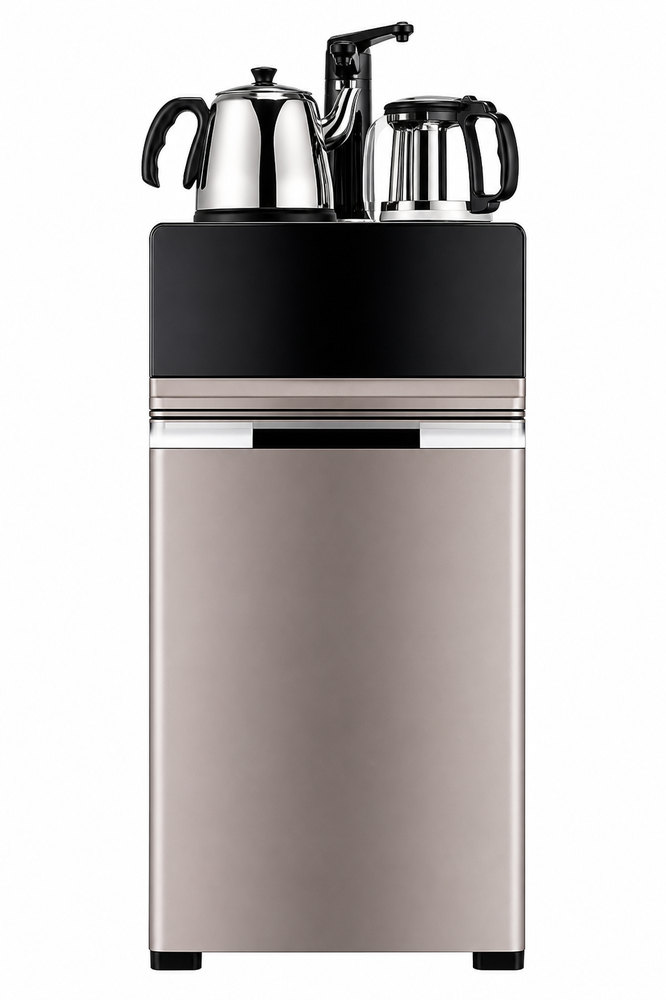
Applicable equipment: drinking water dispensers, coffee machines, beverage machines, tea machines
 |
 |
 |
2. Dedicated Water Softener
Functions: removes residual chlorine and odours, softens water, prevents scale build-up, improves water taste and enhances beverage quality.
Equipment configuration:
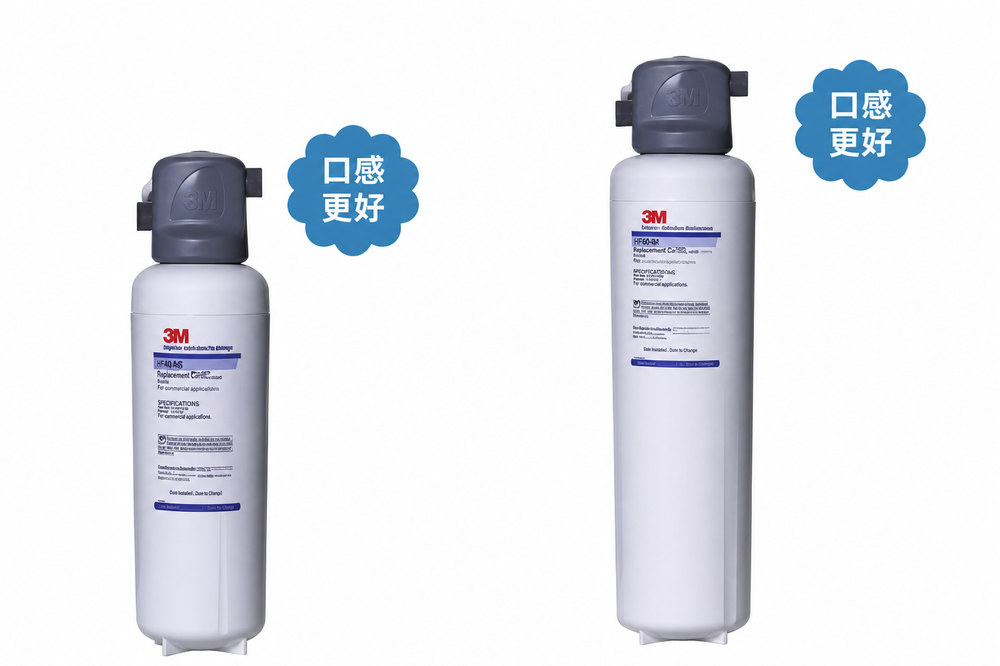
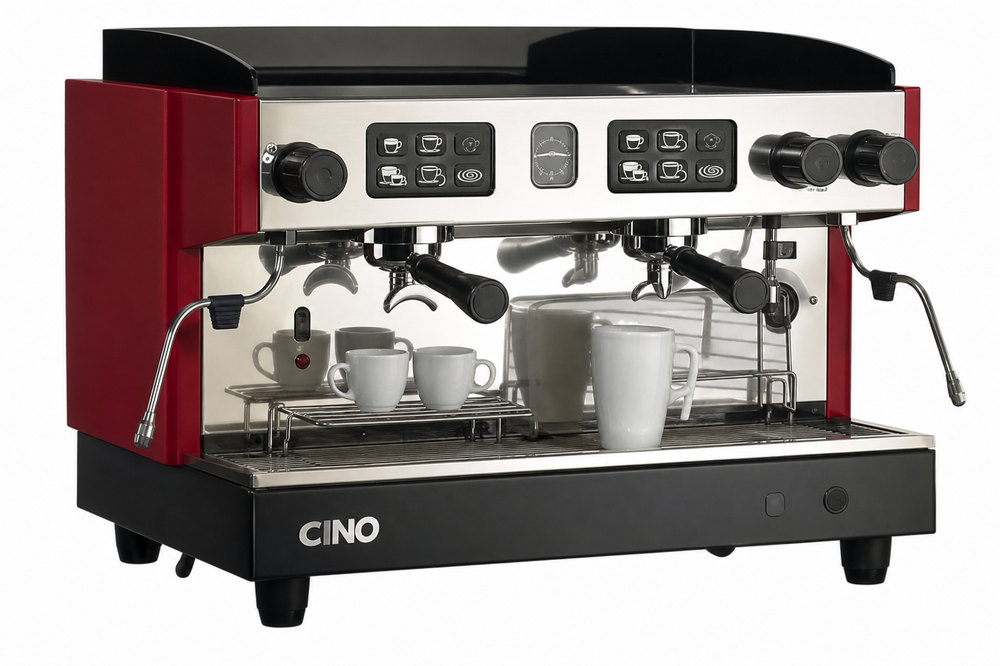
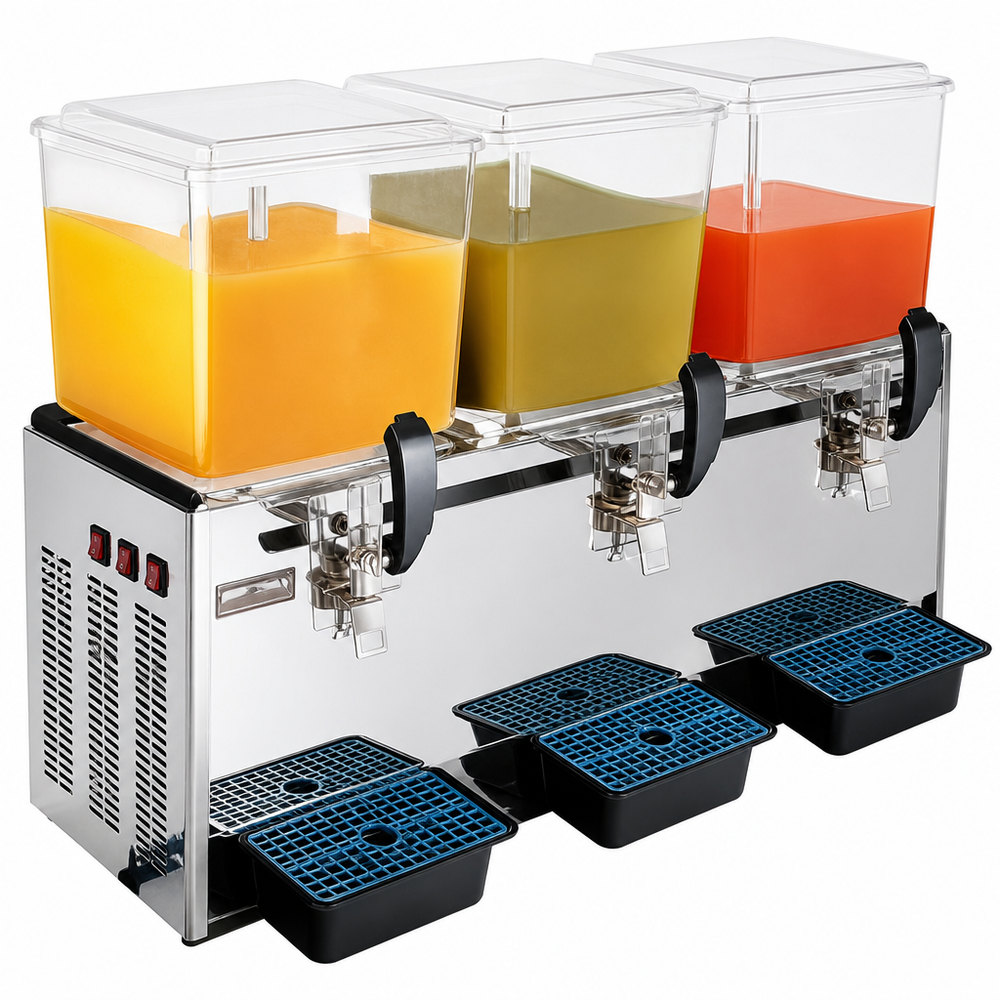
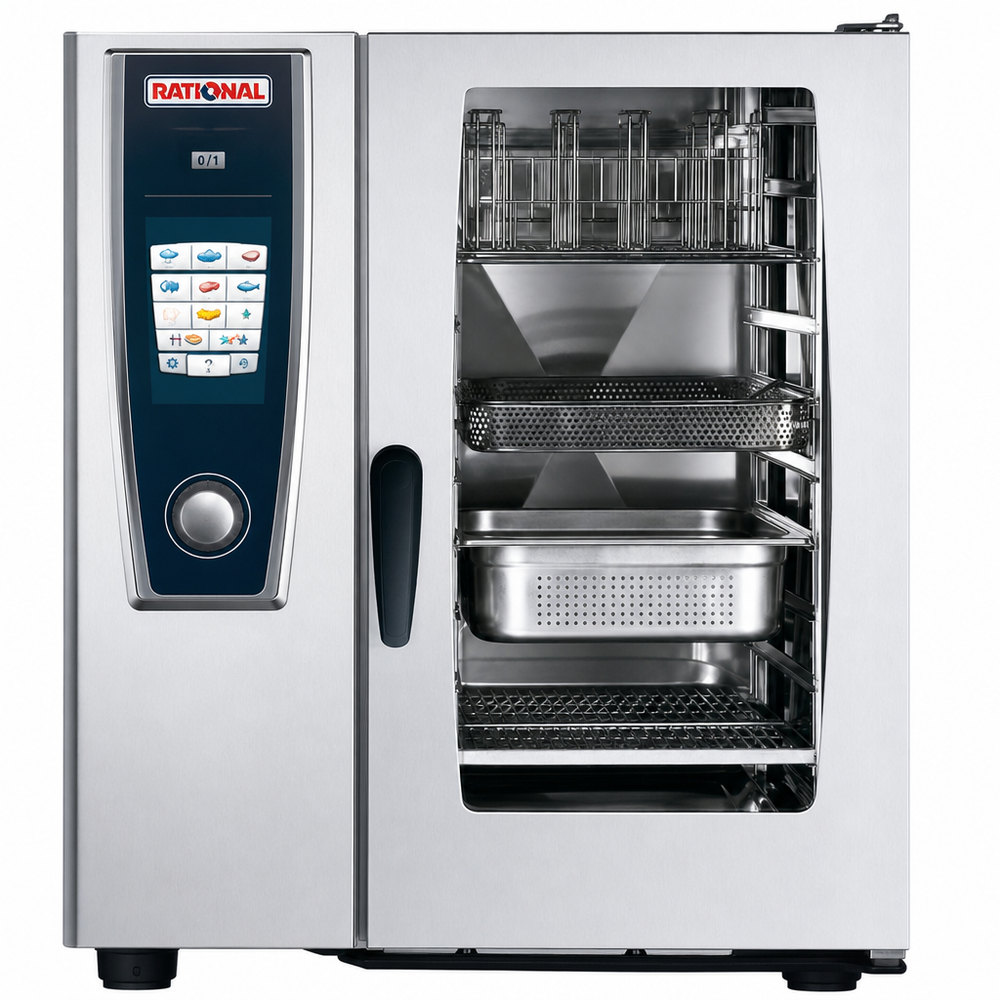
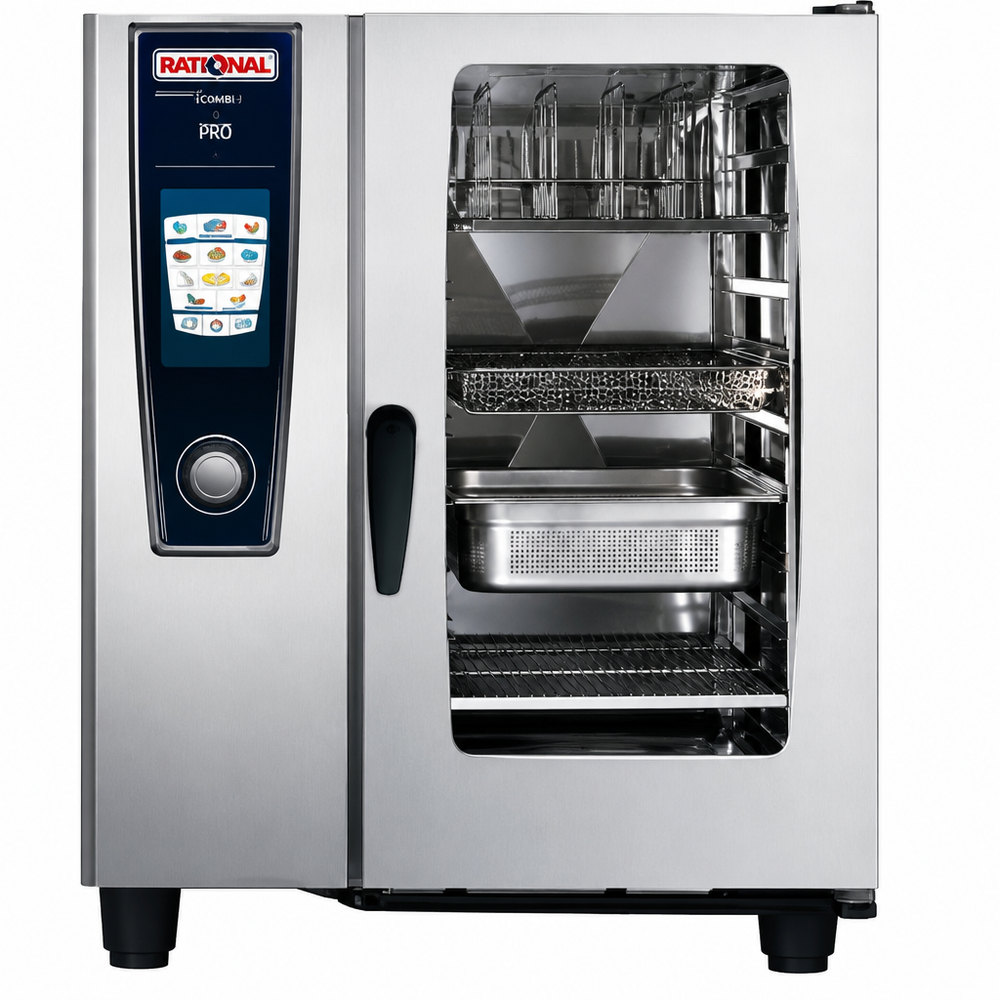
Applicable equipment: coffee machines, beverage machines, water boilers, water heaters, combi steam ovens
 |
 |
 |
 |
3. Water Softener
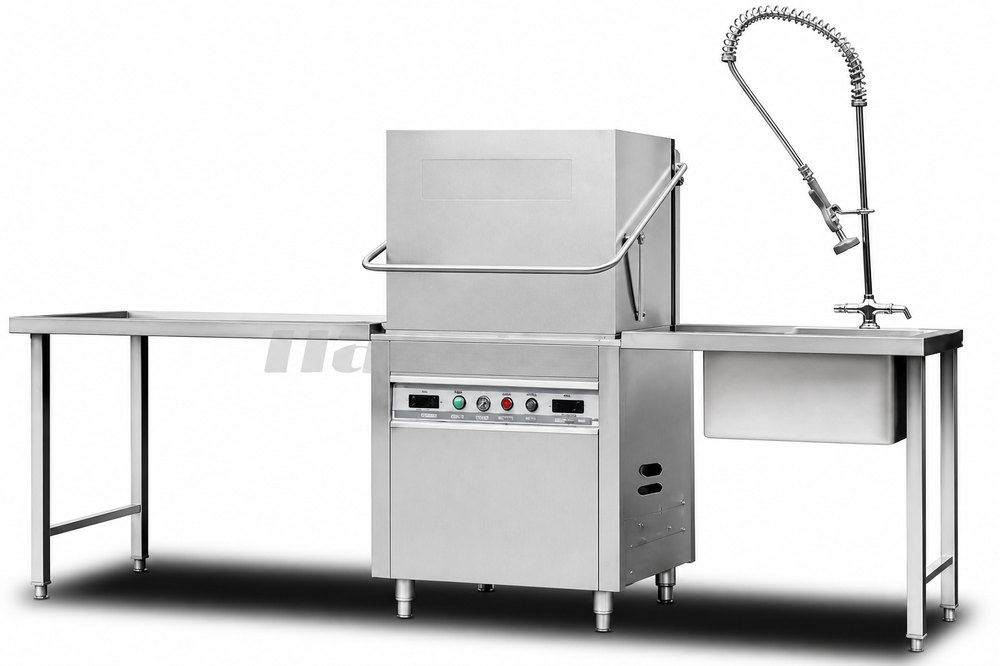
Used for dishwashers, water heaters and other equipment that needs scale prevention. Functions: ion exchange technology replaces the calcium and magnesium ions in water with sodium ions from resin. The softened water feels smooth and no longer forms scale, protecting heating components and extending equipment service life.
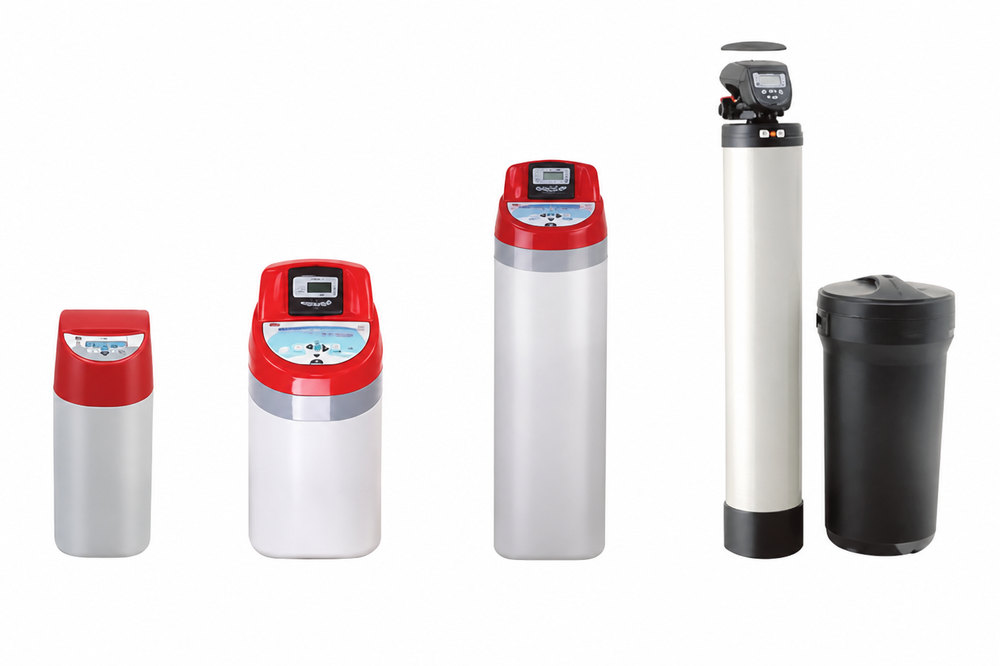
Applicable equipment: showers, dishwashers, washing machines, combi steam ovens
 |
 |
Customer Categories
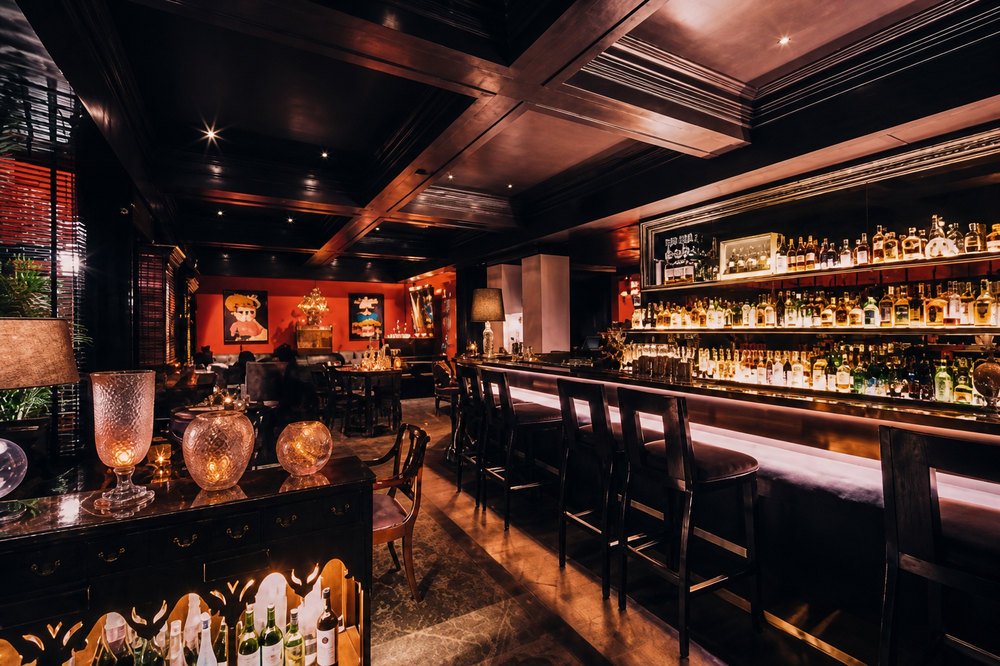
1. Commercial Foodservice — Bars / Western Restaurants / Buffet Restaurants
① Heavy use of drinking water to remove residual chlorine and ensure taste and safety;
② Equipment is relatively expensive, mostly imported brands — reducing scale protects service life and lowers failure rates (combi steam ovens, glass washers, ice machines, water boilers, glass frosters, etc.);
③ Customers are positioned higher-end and are more receptive to brands and premium products, driven by their high expectations for beverages and food;
④ Western and buffet restaurants need large amounts of ice for their buffet counters, and food goes straight into the mouth, so water quality requirements are very high;
⑤ Chinese open-kitchen equipment such as noodle cookers and rice-roll steamers also requires drinking-quality water.
2. Institutional Catering — Schools / Enterprises / Factories / Hospitals
① Pastry and cold dishes require drinking water;
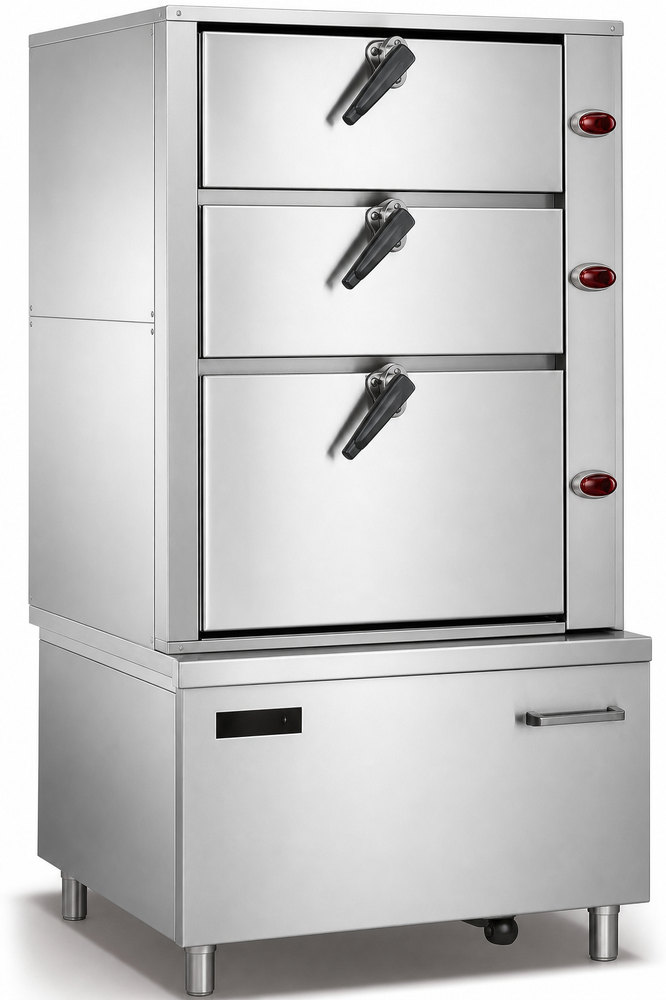
② Steaming cabinets, soup ranges and water boilers require softened or purified water;
③ Canteens today often include private dining rooms for receptions, where purified water is essential for the prep room and the water boiler at the bar;
④ Water quality varies by region; university canteens in particular may install a central water treatment system, while projects with limited budgets can install individual units at key water points.
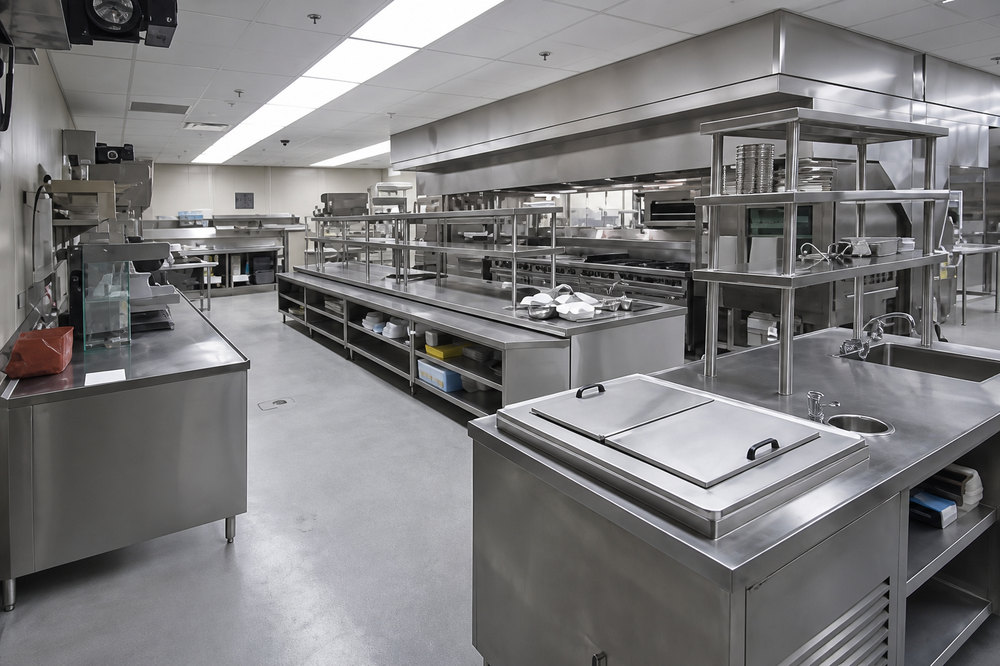
3. Hotels — Hotel Kitchens / Bar Receptions / Buffet Restaurants / Executive Lounges / Room Service
① Hotels are equipped with hot water systems and central water treatment systems, with individual units for specific kitchen equipment;
② Steaming cabinets, soup ranges, water boilers and similar equipment need softened or purified water;
③ Large hotels have dedicated ice-making areas and laundries, where water purifiers or softeners reduce ice machine failures and extend equipment service life;
④ Banquet preparation, bar receptions, buffet restaurants and executive lounges use large amounts of drinking water, and both guests and equipment are high-end.
Summary: Water Treatment — The Most Underestimated Part of Commercial Kitchen Design
Water treatment in a commercial kitchen is never as simple as buying a water purifier. Espresso machines, combi ovens, ice machines, dishwashers and water boilers each have different requirements for TDS, hardness and residual chlorine, while water points are spread out and peak demand is concentrated. A truly workable solution has to be built on a clear understanding of the kitchen's water usage and a properly planned set of supply points.
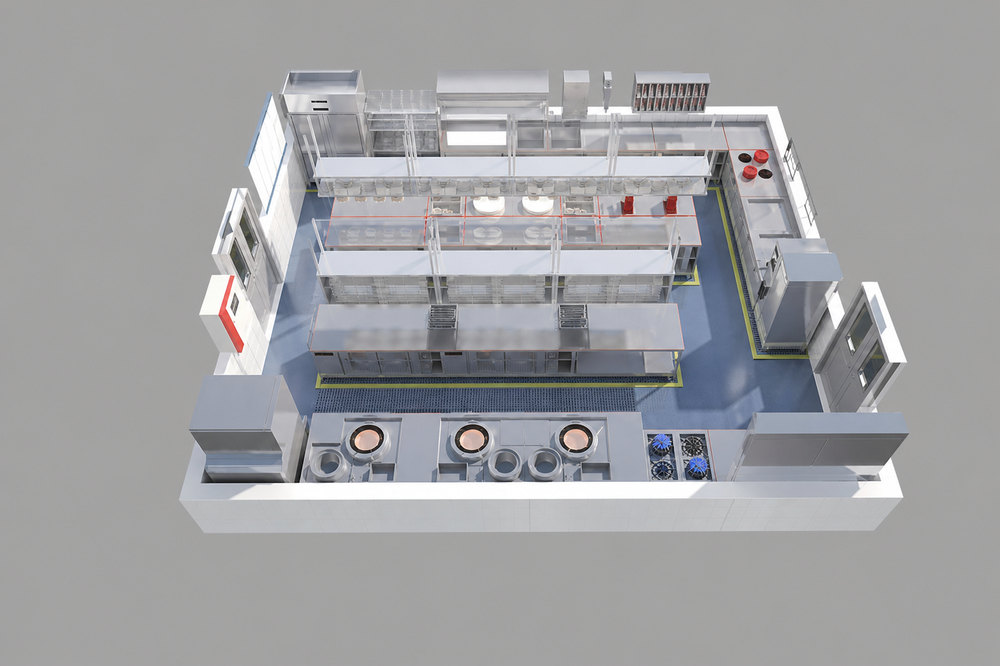
That is why water treatment should be planned at the early stage of commercial kitchen design: first define the water demand and equipment list of each functional zone, then decide between a centralised or decentralised approach, equipment locations, pipe routing and maintenance space. This avoids the familiar problems of discovering that water quality is inadequate after the equipment is installed, having nowhere to place the purifier, or having to dismantle counters just to change a filter.
From floor layout and MEP points to equipment selection and ongoing maintenance, treating water as part of the overall design logic is what allows a water treatment solution to genuinely serve equipment reliability, product quality and long-term operating costs — and it is the step that takes commercial kitchen design from drawing a plan to delivering a sustainable operation.