
Convection Oven or Deck Oven: How to Choose for a Commercial Bakery?
In commercial kitchen design and equipment configuration for bakeries, dessert studios, bread shops and hotel Western kitchens, the convection oven and the deck oven are the two core pieces of baking equipment. When opening a new store or upgrading an existing kitchen, many operators cannot clearly tell the difference in application between a commercial convection oven and a commercial deck oven, and end up buying blindly — which leads to inconsistent baking quality, high product loss and low output efficiency.
Drawing on years of experience in bakery kitchen service, we break down the working principles, pros and cons, suitable product categories and store application scenarios of commercial convection ovens and deck ovens, and set out the key points for making the right selection — helping bakery operators match equipment accurately, optimise kitchen layout and reduce operating costs.
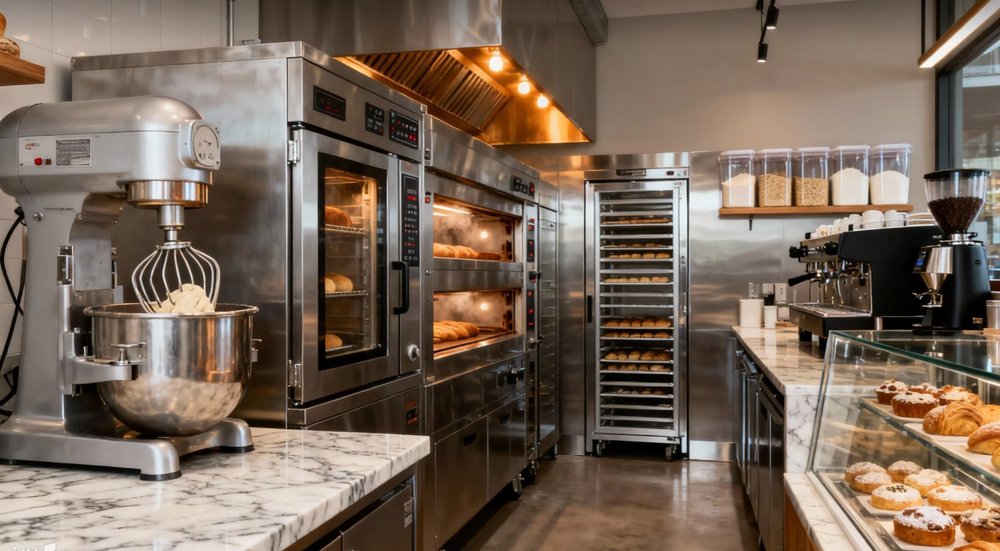
Fig.1 — A bakery kitchen in operation
1. Core Principles of Commercial Convection and Deck Ovens
The commercial deck oven and the commercial convection oven are two different baking systems. The deck oven relies on static radiant-heat baking; the convection oven relies on dynamic hot-air convection baking. This difference in core principle directly determines the scenarios each one suits and the texture of the finished product, and it is also a key reference for equipment layout in commercial kitchen design.
Commercial deck oven (also called a flat-plate oven or bottom-heat oven): it relies on upper and lower straight heating tubes to generate radiant heat. The air inside the chamber stays static, and baking is completed by stable top and bottom heat penetrating the food. Each deck has independent temperature control and works independently, so decks do not interfere with one another — a gentle baking temperature and extremely high stability.
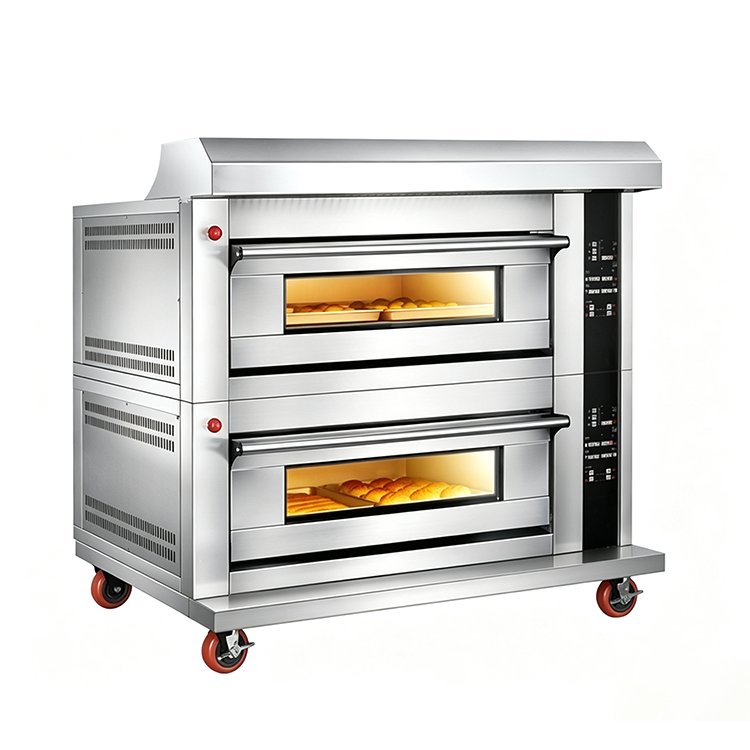
Fig.2 — Commercial deck oven (flat-plate oven): independent temperature control per deck, baking by static top-and-bottom radiant heat
Commercial convection oven (full name: hot-air circulation oven): a built-in fan drives the high-temperature air inside the chamber in a high-speed 360° circulation, creating a full-chamber hot-air convection environment with no temperature difference and no dead zones. The dynamic hot air continuously penetrates and dries the food, heating up fast with extremely high thermal circulation efficiency — the core equipment for standardised volume production.
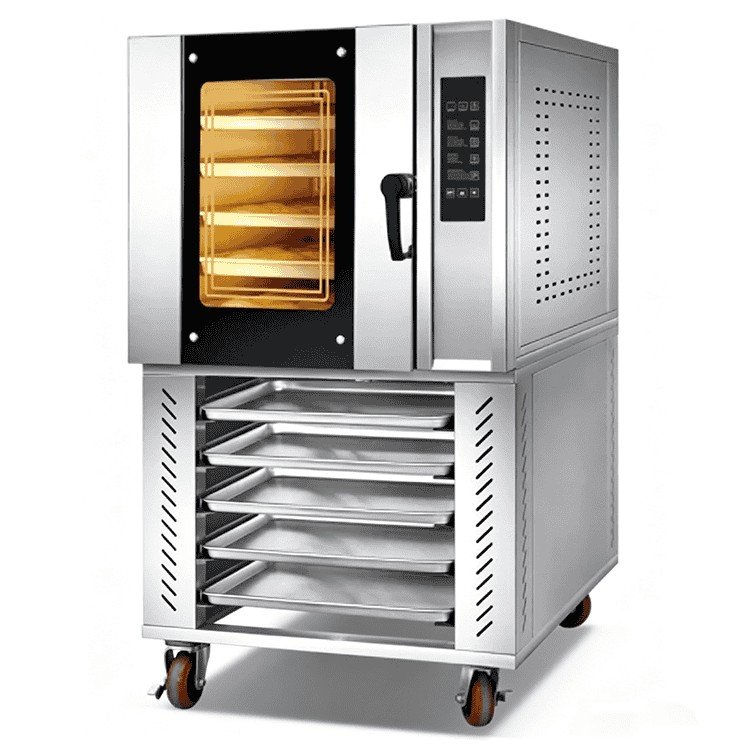
Fig.3 — Commercial convection oven (hot-air circulation oven): a built-in fan circulates hot air at 360°, supporting simultaneous multi-deck baking
2. Convection Oven vs. Deck Oven: Feature Comparison
1. Finished quality, moisture retention and shape setting
Deck oven advantages: static baking with no strong airflow disturbance does not draw moisture out of the food's surface. Breads and cakes come out with even browning, full volume and no cracking, with a soft, moist crumb and excellent shape retention — high tolerance in both appearance and texture, suited to refined, premium baking processes.
Convection oven advantages: the high-speed hot-air circulation effectively removes excess moisture from the food, giving a dry, crisp and tightly formed result with excellent dehydration — ideal for baked goods that need a crisp texture and a dry finish.
Weaknesses of both: deck ovens heat up slowly with low thermal circulation efficiency, so they cannot meet the demand for rapid volume production of large batches of small items. The strong airflow of a convection oven disturbs soft doughs, easily causing surface cracking and shape deformation in high-moisture products, so it cannot handle delicate soft baked goods.

Fig.4 — Deck oven output: European bread, soft European bread and similar products that rely on moisture retention and shape setting
2. Suitable product categories
Products suited to deck ovens: premium baked goods that rely on moisture retention, shape setting and appearance — European-style bread, soft European bread, toast loaves, dinner rolls, chiffon cake, sponge cake, butter cake, pastries and mooncakes. These ovens are the core workhorse of premium bakeries and private studios.

Fig.5 — Main categories suited to deck ovens: toast loaves, dinner rolls and similar products have high moisture-retention and shape-setting requirements, locked in by static top-and-bottom baking
Products suited to convection ovens: small baked goods that rely on crispness, dehydration and volume production — biscuits, cookies, cream puffs, macarons, egg tarts, nuts, dried fruit, small rolls and par-baked semi-finished items. These are the high-efficiency equipment of light-baking stores and chain production stores.

Fig.6 — Convection oven output: macarons, cookies and more — volume production with a crisp finish
3. How to Choose for Different Bakery Formats
Match the equipment to store scale, main product categories and daily capacity, and you can both save on budget and maximise output quality and capacity, while meeting the layout standards of commercial kitchen design.
1. Premium bakeries and private studios: a main deck oven plus an auxiliary small convection oven. The deck oven safeguards the quality of core premium products such as toast loaves, soft European bread and birthday cakes, while the small convection oven handles small items such as biscuits and egg tarts. This balances output quality with product variety and suits small kitchen layouts without wasting floor space.
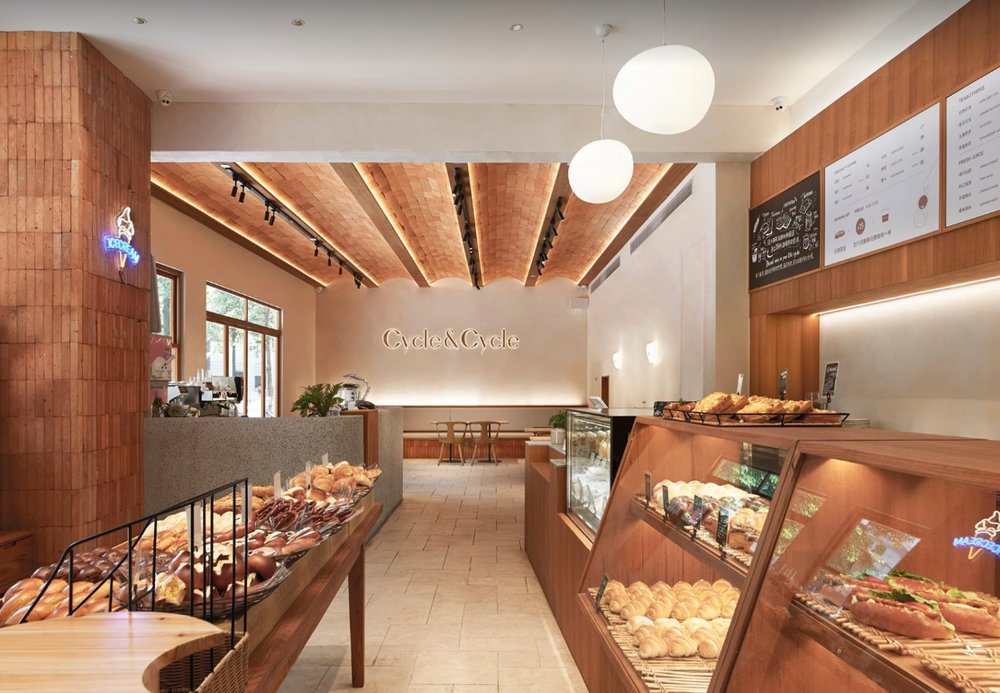
Fig.7 — Premium bakery and private studio: craft-led, with the deck oven protecting quality and the small convection oven adding variety
2. Chain bakeries: multiple deck ovens plus a large-capacity convection oven. The deck ovens deliver core best-selling breads and cakes with stable quality, safeguarding uniform brand quality; the convection oven handles volume production of small items, greatly improving output efficiency — clear division of labour, maximum capacity, suited to standardised chain operations.
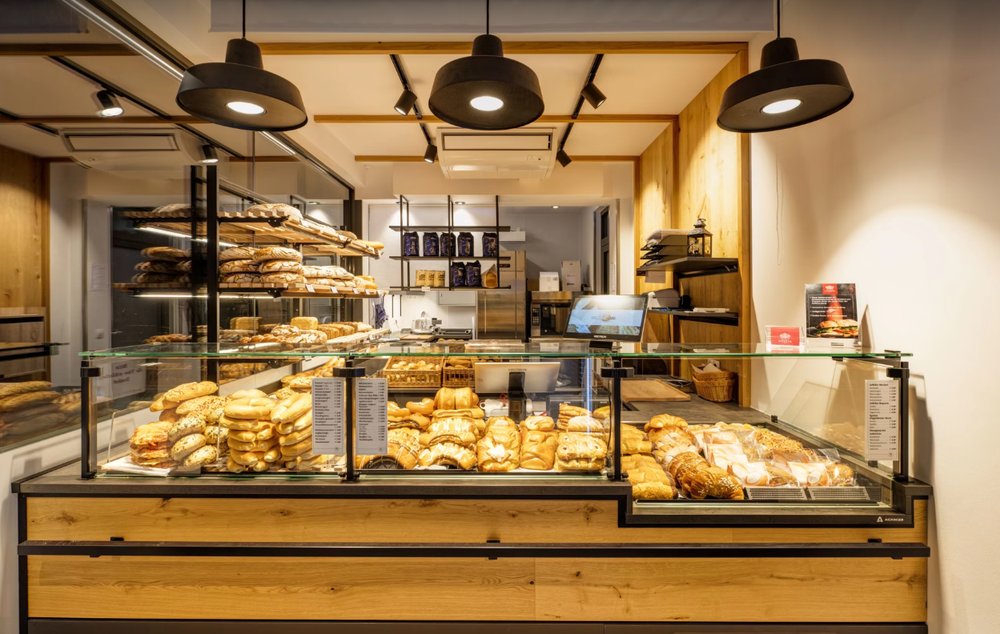
Fig.8 — Chain bakery: store display and back-kitchen volume production must both work; the convection oven handles volume output of small items
3. Light-baking stores, milk-tea and dessert shops, and casual dining outlets: a single all-round convection oven is enough. These stores focus on egg tarts, cream puffs, biscuits and par-baked items, with low requirements for shape setting and moisture retention. One convection oven covers the full product range, effectively saving on equipment budget and kitchen space.
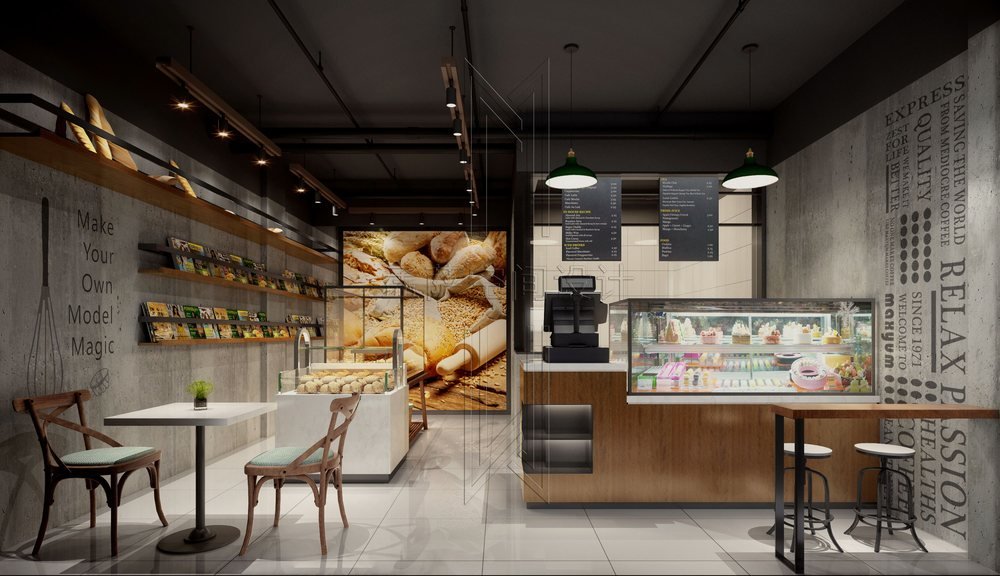
Fig.9 — Light-baking store, milk-tea dessert shop and casual dining outlet: mostly small items such as egg tarts, cream puffs and biscuits, all covered by a single convection oven
4. Hotel Western kitchens, hotel buffets and banquet kitchens: a full set of combi steamer + deck oven + convection oven. This suits diverse scenarios such as volume banquet output, premium Western pastry customisation and Western casual baking, meeting the needs of both refined premium baking and large-batch volume production, in line with high-end kitchen operating standards.
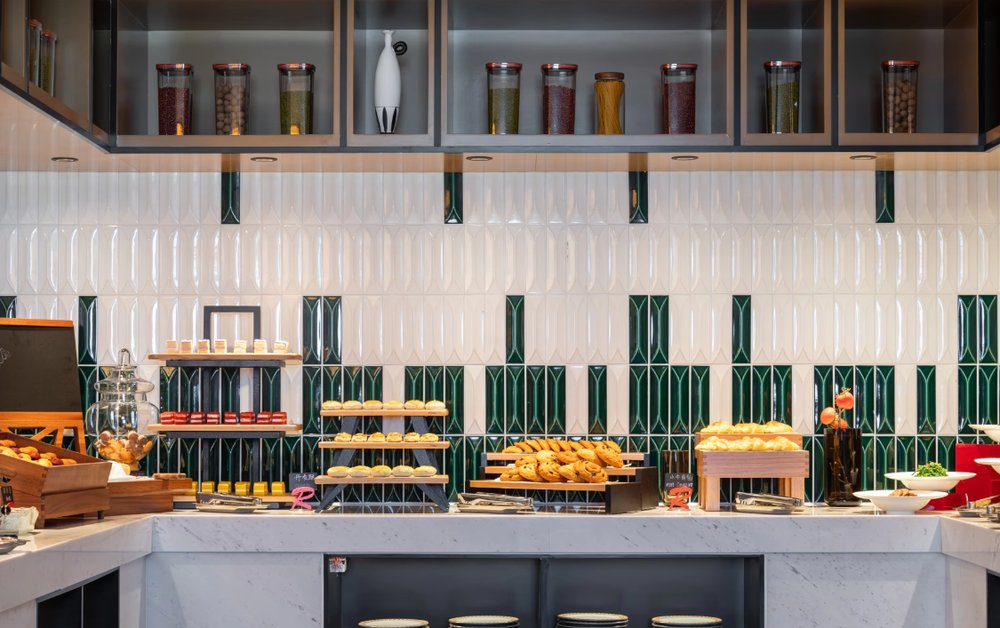
Fig.10 — Dessert area of a hotel buffet
4. Case Study: A Hotel Bakery Kitchen
Let us look at another completed hotel bakery kitchen project. The project is zoned by function room: pastry room, decorating room, bread room, cold storage, entry vestibule and dishwashing room. The floor layout, 3D visuals and main equipment configuration follow in order.
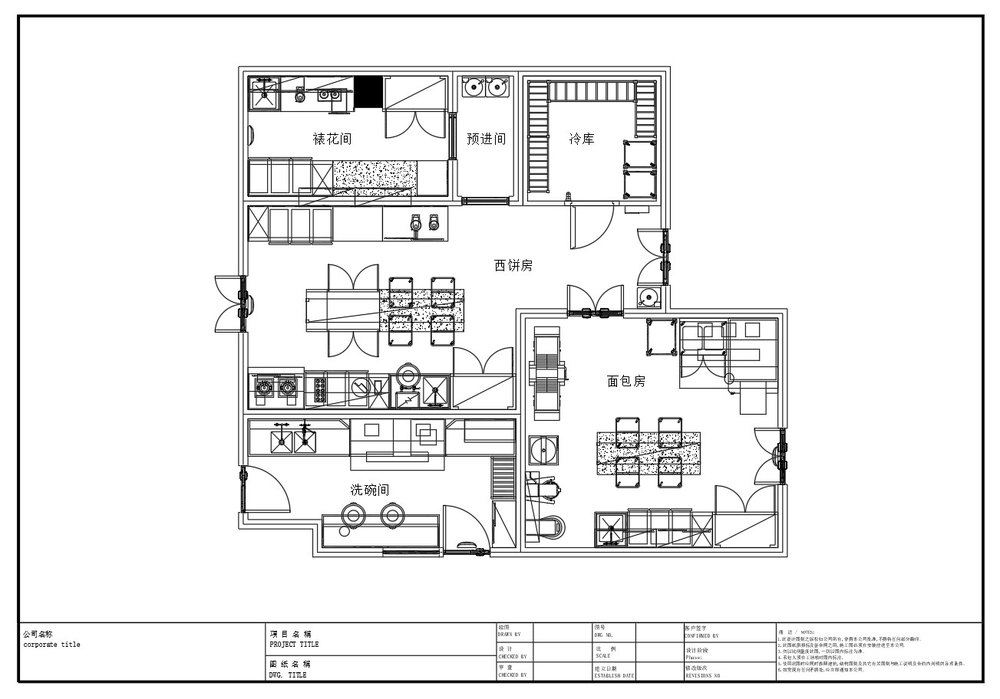
Fig.11 — Equipment floor plan: function rooms and equipment layout, including pastry room, decorating room, bread room, cold storage, entry vestibule and dishwashing room
Overall bird's-eye view
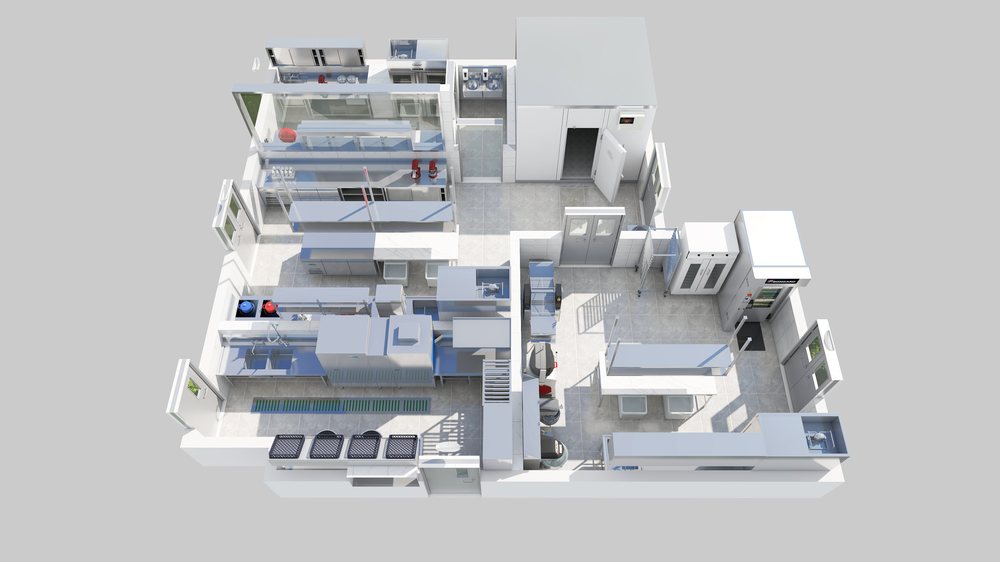
Fig.12 — Overall 3D bird's-eye view: laid out by function room, with equipment and workflow clear at a glance
Pastry room
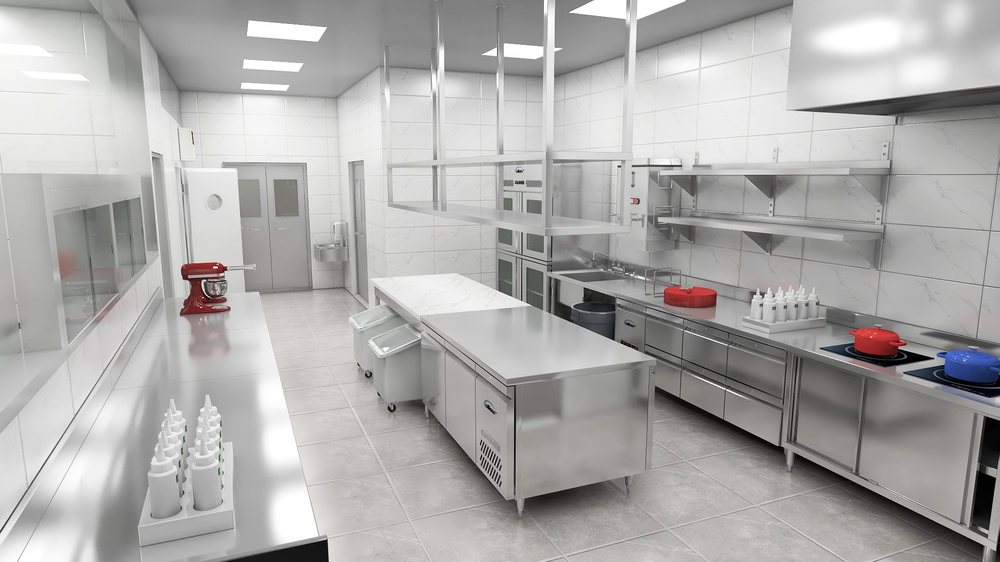
Fig.13 — 3D rendering of the pastry room
Bread room
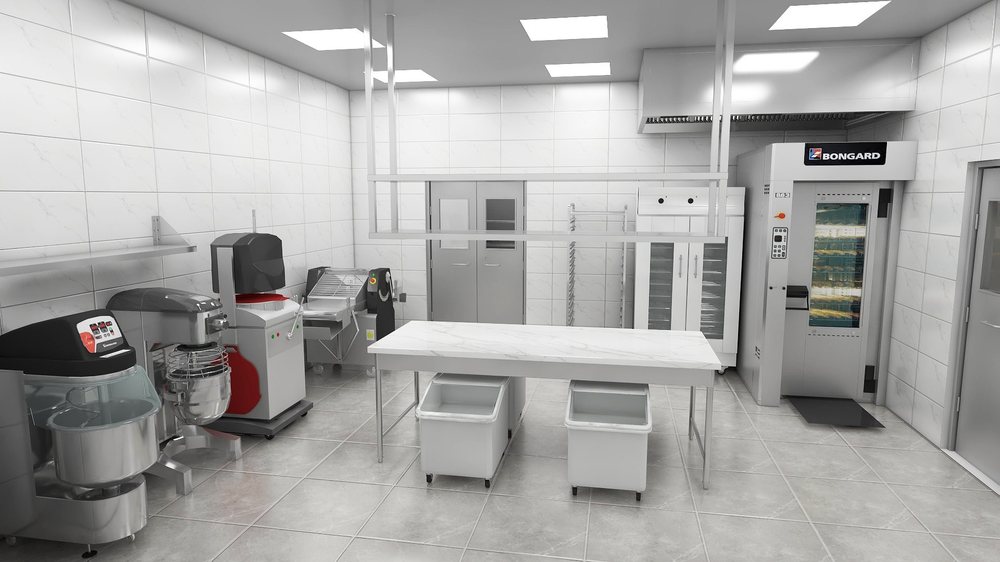
Fig.14 — 3D rendering of the bread room
Decorating room
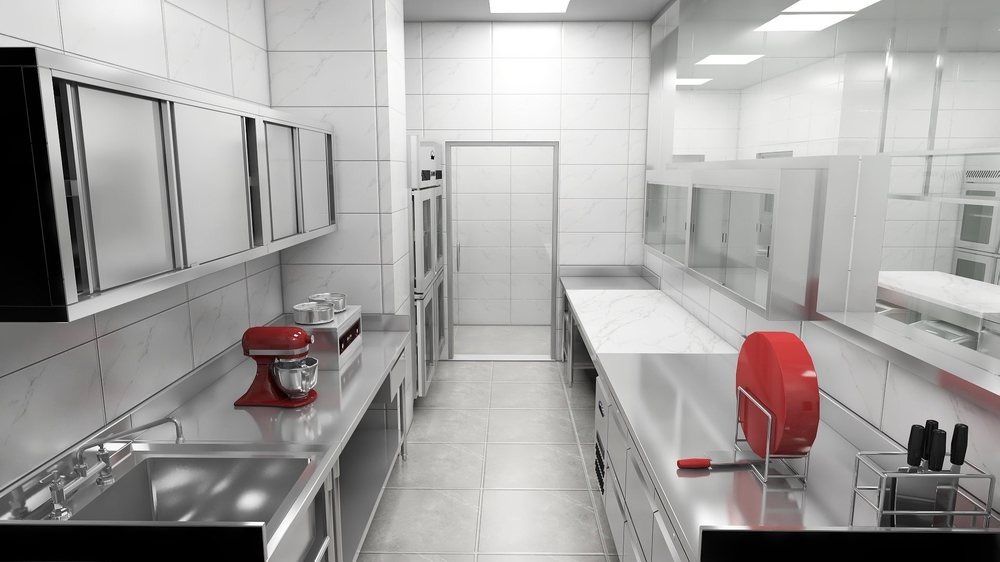
Fig.15 — 3D rendering of the decorating room
Main equipment by function room
| Pastry room | Bread room | Decorating room |
|---|---|---|
| A01 Energy-saving water boiler | B01 Double-door proofing cabinet | C01 Marble worktop |
| A02 Dough sheeter | B02 Marble worktop | C02 Six-door GN-pan platform refrigerator |
| A03 Multi-function planetary mixer | B03 Sheet-pan trolley | C03 Twin-head chocolate warmer |
| A04 New four-door tall display refrigerator | B04 Convection oven | C04 Multi-function planetary mixer |
| A05 Induction cooker | B05 Floor-standing dough sheeter | C05 Four-door tall display refrigerator |
| A06 Sliding-door worktable cabinet | B06 Semi-automatic dough divider and rounder | C06 Two-tier worktable with drawers |
| A07 Six-door GN-pan platform refrigerator | B07 Dough mixer | |
| A08 Marble worktop | B08 Mixer | |
| B09 Six-door GN-basin platform refrigerator | ||
| B10 Four-door tall refrigerator |
Fig.16 — Main equipment list for the key function rooms (numbers correspond to the equipment tags on the floor plan)
Conclusion: Convection and Deck Ovens Working Together Is the Best Bakery Kitchen Solution
Taken together, the commercial deck oven wins on stable quality, moisture retention, shape setting and premium texture; the commercial convection oven wins on efficient volume production, simple operation and cost-effectiveness. Neither is superior — they simply suit different scenarios.
Professional commercial kitchen design matches convection and deck ovens to the store format, capacity requirements and space available, while also planning a sound kitchen workflow, water and electrical points, and fresh-air and exhaust systems — maximising equipment performance and making kitchen operations more efficient, energy-saving and compliant. This is the core value of quality food-service kitchen design.
About Kitlalong Commercial Kitchen Design
Kitlalong Commercial Kitchen Design has specialized in commercial kitchens for 15 years. Every year Kitlalong serves more than 500 restaurant kitchens, with a 50-person team providing one-to-one service to clients, and completes the design of 500,000 square meters of commercial kitchen space annually.
Kitlalong focuses on kitchen design for star-rated hotels, restaurants of all types, banquet kitchens, open kitchens, cafés and beverage bars, central kitchens, and staff canteens of enterprises and institutions. We deliver a complete design package — equipment floor plans, MEP drawings, exhaust system drawings, 3D renderings and VR panoramas — helping food-service businesses get equipment selection, space planning and workflow right the first time, avoiding detours and unnecessary spending.